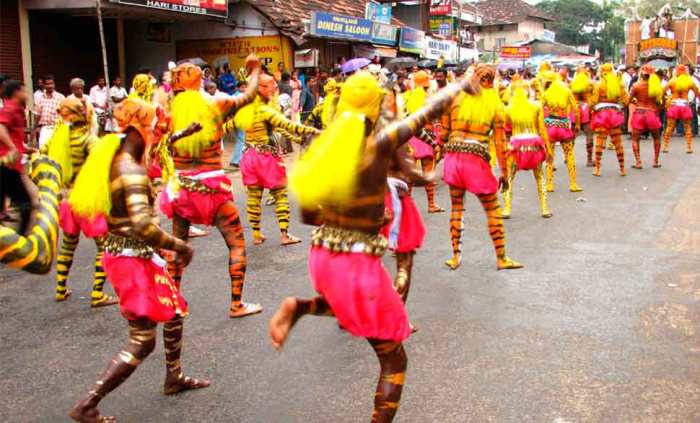
India, a land of vibrant colors and ancient traditions, offers a kaleidoscope of festivals throughout the year. Beyond the internationally renowned celebrations, a treasure trove of unique and lesser-known festivals awaits the adventurous traveler. These events provide an unparalleled opportunity to immerse oneself in the rich tapestry of Indian culture, experiencing customs, traditions, and artistry rarely witnessed elsewhere. This exploration delves into the planning and logistics of such unique festival trips, highlighting the cultural sensitivity required and the unforgettable experiences awaiting those who dare to venture beyond the well-trodden tourist paths.
From the boisterous Holi celebrations in the north to the serene Onam festivities in the south, India’s festivals showcase the incredible diversity of its regions. This journey will introduce you to three distinct regions, detailing their unique festivals, customs, and practical travel advice. We’ll cover everything from visa requirements and recommended vaccinations to navigating transportation and finding suitable accommodation.
We’ll also explore ways to respectfully participate in local celebrations, ensuring a culturally sensitive and enriching experience.
Introduction to Unique Festival Trips in India
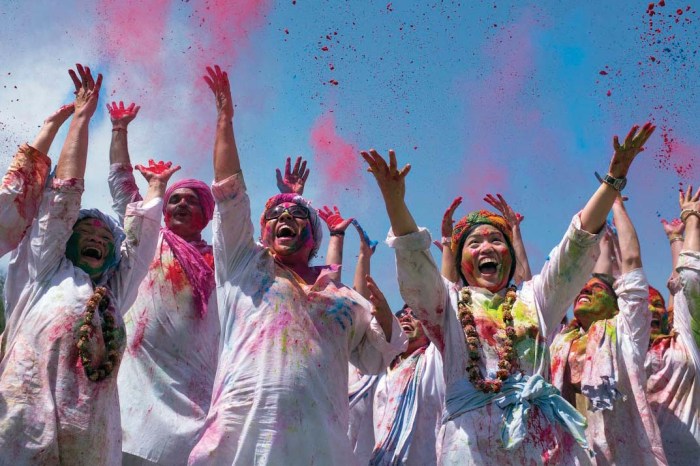
India, a land of vibrant colors, rich traditions, and ancient history, offers a kaleidoscope of festivals throughout the year. Beyond the internationally renowned celebrations, a treasure trove of unique and lesser-known festivals awaits the adventurous traveler, providing unparalleled opportunities to immerse oneself in the diverse cultural tapestry of this incredible nation. Experiencing these festivals offers a glimpse into the heart and soul of India, revealing customs, traditions, and beliefs that are rarely seen elsewhere.
Festival-based travel in India allows for a deeply personal and authentic encounter with the country, moving beyond the typical tourist experience to forge connections with local communities and create memories that will last a lifetime.India’s festival landscape is incredibly diverse, reflecting the country’s myriad religions, regions, and communities. While festivals like Holi and Diwali are widely celebrated, many smaller, regional festivals offer a more intimate and unique cultural immersion.
These celebrations often involve intricate rituals, vibrant costumes, traditional music and dance, and delicious local cuisine, providing a captivating spectacle for visitors.
Lesser-Known Festivals Offering Unique Cultural Experiences
Several festivals offer unique and unforgettable experiences for travelers seeking something beyond the mainstream. For example, the Hornbill Festival in Nagaland showcases the rich tribal culture of the region through vibrant dances, music, and traditional crafts. The Hemis Festival in Ladakh, a Buddhist celebration, features masked dances, elaborate ceremonies, and a vibrant atmosphere within the stunning Himalayan landscape.
Similarly, the Rath Yatra in Puri, Odisha, is a spectacular chariot procession honoring Lord Jagannath, drawing massive crowds and showcasing a profound devotion. These festivals, and countless others, provide a window into the diverse and captivating cultural heritage of India’s various regions.
Exploring Regional Festivals
India’s rich tapestry of cultures is vividly expressed through its diverse regional festivals. These celebrations offer a unique glimpse into the country’s history, traditions, and beliefs, providing an enriching experience for travelers. Exploring these festivals allows one to connect with the heart of India’s vibrant communities and witness customs passed down through generations.
Three distinct regions showcasing India’s festival diversity are: North India (specifically focusing on Punjab), South India (Tamil Nadu), and East India (West Bengal). Each region boasts festivals with unique customs and traditions, offering a varied and captivating travel experience.
North Indian Festivals: Punjab’s Baisakhi
Baisakhi, celebrated primarily in the state of Punjab, marks the beginning of the harvest season and is a significant Sikh festival. It commemorates the establishment of the Khalsa Panth by Guru Gobind Singh in 1699. The festival is characterized by vibrant processions, traditional Bhangra dances, and festive gatherings. Families gather for feasts, and the atmosphere is one of joyous celebration and thanksgiving.
The key customs involve attending religious ceremonies at Gurdwaras (Sikh temples), participating in community dances, and enjoying traditional Punjabi cuisine.
South Indian Festivals: Tamil Nadu’s Pongal
Pongal, a four-day harvest festival celebrated in Tamil Nadu, is dedicated to the Sun God, Surya. Each day has its own significance and rituals. The first day, Bhogi Pongal, involves cleaning and discarding old belongings. The second day, Thai Pongal, is the main celebration, with the cooking of rice in new pots over a fire outdoors, symbolizing the abundance of the harvest.
The third day, Mattu Pongal, is dedicated to cattle, recognizing their importance in agriculture. The final day, Kaanum Pongal, involves visiting relatives and friends. The unique customs include creating intricate kolams (rangoli designs) in front of homes and offering prayers to the sun.
East Indian Festivals: West Bengal’s Durga Puja
Durga Puja, celebrated primarily in West Bengal, is one of the most extravagant and widely celebrated festivals in India. It honors Goddess Durga’s victory over the demon Mahishasura, symbolizing the triumph of good over evil. The festival is characterized by elaborate idol making, vibrant pandals (temporary structures housing the idols), and immersion ceremonies. The unique customs include the creation of stunning pandals, often depicting themes from mythology or contemporary art, and the enthusiastic participation of communities in the immersion processions.
The atmosphere is electric, with people dressed in traditional attire, participating in cultural programs, and enjoying traditional Bengali sweets and delicacies.
| Region | Festival Name | Key Features | Travel Tips |
|---|---|---|---|
| North India (Punjab) | Baisakhi | Harvest festival, Sikh religious significance, Bhangra dances, festive gatherings | Visit Gurdwaras, participate in community events, try traditional Punjabi food. Book accommodations and transportation in advance. |
| South India (Tamil Nadu) | Pongal | Four-day harvest festival, dedicated to the Sun God, kolam making, cattle worship | Witness the Pongal cooking ceremony, observe the kolam art, experience the vibrant atmosphere. Respect local customs and traditions. |
| East India (West Bengal) | Durga Puja | Celebration of Goddess Durga, elaborate idol making, vibrant pandals, immersion ceremonies | Visit pandals to admire the art, witness the immersion processions, sample Bengali sweets. Be prepared for large crowds. |
Embarking on a unique festival trip to India promises an unforgettable journey into the heart of its vibrant culture. By carefully planning your trip, respecting local customs, and embracing the unexpected, you can create memories that will last a lifetime. Beyond the vibrant celebrations themselves, consider extending your stay to explore other facets of India’s rich heritage – from its stunning natural landscapes to its bustling cities.
Remember, responsible and sustainable tourism practices are crucial in preserving the authenticity and beauty of these extraordinary experiences for generations to come. So, pack your bags, open your mind, and prepare to be captivated by the magic of India’s unique festivals.
Query Resolution
What is the best time of year to visit India for festivals?
The best time depends on the specific festival and region. Generally, the cooler months (October to March) are more comfortable for travel, but many festivals occur throughout the year.
How much does a festival trip to India cost?
Costs vary greatly depending on travel style, duration, and chosen festivals. Budgeting is crucial, considering flights, accommodation, food, activities, and transportation.
Are there any safety concerns to be aware of when traveling to India for festivals?
Standard travel safety precautions apply. Being aware of your surroundings, keeping valuables secure, and using reputable transportation are recommended. Festival crowds can be large, so maintaining situational awareness is important.
What kind of clothing is appropriate for attending Indian festivals?
Modest clothing is generally appreciated, especially when visiting religious sites. Comfortable, loose-fitting clothing suitable for the weather is recommended.


