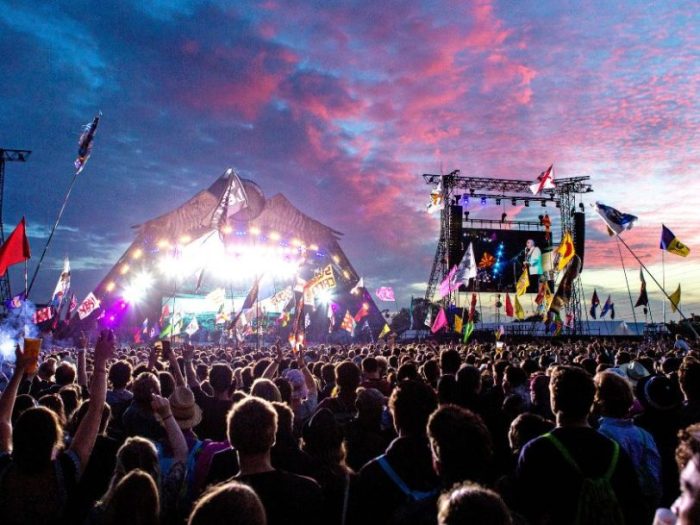
Get ready for an unforgettable year of music! 2024 promises an incredible lineup of music festivals across the globe, catering to every taste and preference. From the pulsating beats of electronic dance music to the soulful melodies of jazz and the raw energy of rock, this year’s festivals offer a diverse range of experiences for music lovers of all kinds.
Prepare to be captivated by world-class artists, immersive environments, and the electrifying atmosphere only a music festival can provide.
This guide explores some of the top music festivals scheduled for 2024, considering their genre, location, accessibility, and overall experience. We’ll delve into the planning process, offering advice on budgeting, safety, and capturing those memorable moments through photography and videography. Whether you’re a seasoned festival-goer or a first-timer, this comprehensive guide will equip you with everything you need to make the most of your 2024 festival adventure.
Festival Genres and Styles
The global festival landscape is incredibly diverse, offering a vast array of musical experiences catering to a wide range of tastes. Understanding the genre classifications helps festival-goers navigate the choices and select events that perfectly align with their musical preferences. This section will categorize major music festivals by genre, highlighting key examples and comparing the distinct atmospheres each creates.
Electronic Music Festivals
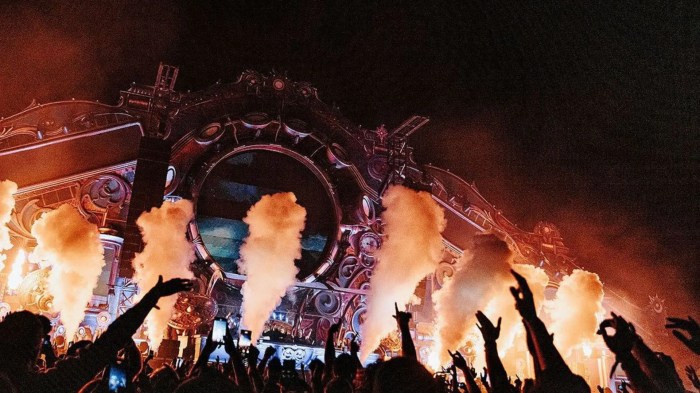
Electronic music festivals showcase a broad spectrum of electronic dance music (EDM) subgenres, from house and techno to trance and dubstep. These festivals often feature elaborate stage designs, immersive lighting, and pyrotechnics, creating a visually and aurally stimulating experience.
- Tomorrowland (Belgium): Known for its massive scale, world-renowned DJs, and fantastical stage productions.
- Ultra Music Festival (Miami): A globally recognized festival featuring top-tier EDM artists across multiple stages.
- Electric Daisy Carnival (Las Vegas): A large-scale festival known for its vibrant atmosphere, elaborate art installations, and diverse EDM lineup.
Rock Music Festivals
Rock festivals celebrate the energy and passion of rock music in its various forms, from classic rock and hard rock to alternative and indie rock. These events often have a more rugged and rebellious atmosphere than pop or electronic festivals.
- Coachella (California): While encompassing various genres, Coachella consistently features a strong rock presence, blending established and emerging artists.
- Download Festival (UK): A dedicated rock festival showcasing a wide range of rock and metal bands, attracting a fiercely loyal fanbase.
- Rock in Rio (Brazil/Portugal/USA): A massive multi-day festival with a strong emphasis on rock and pop, attracting international headliners.
Pop Music Festivals
Pop music festivals typically feature chart-topping artists and current popular music trends. They tend to have a more polished and commercially driven feel, often with a focus on spectacle and mainstream appeal.
- Lollapalooza (Chicago): A globally recognized festival with a diverse lineup that always includes major pop acts alongside other genres.
- Austin City Limits Music Festival (Texas): A popular festival featuring a blend of pop, rock, country, and other genres, showcasing both established and up-and-coming artists.
- Summerfest (Milwaukee): One of the world’s largest music festivals, featuring a vast array of genres, including a significant presence of pop music.
Country Music Festivals
Country music festivals offer a distinctly American experience, celebrating traditional and contemporary country sounds. These festivals often feature a more laid-back atmosphere, with a focus on community and shared appreciation for the genre.
- Stagecoach (California): A large-scale country music festival featuring major country stars and emerging talent.
- CMA Music Festival (Nashville): A massive celebration of country music, held annually in the heart of country music’s home.
- Country Thunder (various locations): A touring festival bringing major country acts to multiple locations across North America.
Jazz Music Festivals
Jazz festivals provide a more intimate and sophisticated experience, celebrating the improvisational and soulful nature of jazz music. These events often feature smaller venues and a more discerning audience.
- Newport Jazz Festival (Rhode Island): A legendary festival showcasing a wide range of jazz styles, from traditional to contemporary.
- Montreal International Jazz Festival (Quebec): One of the largest jazz festivals globally, offering a diverse lineup and a vibrant cultural experience.
- North Sea Jazz Festival (Netherlands): A renowned festival known for its high-quality programming and international appeal.
Festival Experiences Beyond Music
Music festivals offer far more than just the musical performances; they are immersive experiences that blend art, culture, and community. Beyond the headliners and genre-specific stages, many festivals curate a vibrant atmosphere filled with captivating visuals, diverse culinary options, and engaging activities that significantly enhance the overall enjoyment. These non-musical elements contribute to the unique character of each festival and create lasting memories for attendees.The immersive nature of a modern music festival goes far beyond the scheduled performances.
Festival organizers recognize the importance of creating a holistic experience, recognizing that the atmosphere and environment significantly impact the overall enjoyment. This often translates into a focus on art installations, unique food and beverage offerings, and interactive activities that cater to a wide range of interests, thus attracting a broader and more diverse audience.
Art Installations and Visual Displays
Many festivals incorporate large-scale art installations and visual displays that complement the musical performances. These installations often serve as striking backdrops for photos, creating memorable moments for attendees. For example, Burning Man, known for its radical self-expression, features elaborate temporary structures and art cars created by participants, contributing significantly to the event’s unique visual identity. Similarly, Coachella often showcases impressive contemporary art installations that interact with the landscape and enhance the overall festival aesthetic.
These pieces often explore themes of sustainability, technology, and social commentary, reflecting the evolving artistic landscape and engaging attendees on a deeper level than just the music.
Food and Beverage Options
The culinary landscape at major music festivals has evolved considerably. Gone are the days of basic concession stands offering limited choices. Today, many festivals boast a diverse range of food vendors, offering everything from gourmet food trucks to international cuisine. For instance, Austin City Limits Music Festival is known for its impressive selection of local Austin food trucks, representing the city’s vibrant culinary scene.
This diverse food scene not only satisfies diverse palates but also adds to the festival’s cultural richness, showcasing the local community and its culinary traditions. This contributes to the overall festival experience, providing a break from the music and an opportunity to explore different flavors.
Interactive Activities and Entertainment
Beyond music and art, many festivals offer a variety of interactive activities and entertainment to engage attendees. These could range from carnival-style games and workshops to silent discos and interactive art projects. For example, Glastonbury Festival, known for its expansive site, incorporates various areas dedicated to theatre, comedy, and circus performances, providing a wide array of entertainment options beyond the main music stages.
These diverse activities cater to different interests, ensuring that even those not actively following a specific musical act remain engaged and entertained throughout the festival. This contributes to a more inclusive and dynamic festival experience, enhancing the overall atmosphere and community spirit.
Planning Your Festival Trip
Attending a music festival is an exciting prospect, but careful planning ensures a smooth and enjoyable experience. Thorough preparation minimizes stress and maximizes your enjoyment of the event itself. This section Artikels a step-by-step guide to planning your festival adventure, covering budgeting, ticketing, travel, accommodation, and packing essentials.
Budgeting for Your Festival Trip
Creating a realistic budget is crucial. Consider all expenses: ticket price, travel (flights, train tickets, gas, or ride-sharing costs), accommodation (camping, hotel, Airbnb), food and drinks (both inside and outside the festival grounds), merchandise, and any planned activities outside the festival. Use budgeting apps or spreadsheets to track expenses and ensure you stay within your financial limits. For example, if a three-day festival ticket costs $300, and you estimate $100 per day for food and drinks, plus $150 for accommodation and $50 for travel, your total budget would be approximately $700.
Remember to add a buffer for unexpected costs.
Ticket Purchasing and Festival Registration
Purchasing tickets early is highly recommended, especially for popular festivals. Tickets often sell out quickly, and prices may increase closer to the event date. Familiarize yourself with the festival’s ticketing platform and registration process. Note any deadlines for ticket purchases or registration. Many festivals offer different ticket tiers with varying benefits, so carefully compare options before purchasing.
Once you’ve purchased your tickets, keep them safe and readily accessible.
Travel Arrangements to the Festival
Plan your travel arrangements well in advance. Consider the festival’s location and the best mode of transportation: flying, driving, or taking a train. If driving, factor in parking costs and potential traffic congestion, especially on arrival and departure days. If flying, book flights early to secure better prices and avoid last-minute travel disruptions. Public transportation options near the festival site should also be researched to avoid unexpected transportation issues.
For example, researching bus routes or train schedules from the airport to the festival grounds can save time and money.
Accommodation Near the Festival Grounds
Researching accommodation options near the festival is vital. Consider your budget and preferences: camping onsite (often cheaper but requires bringing your own gear), hotels, motels, or Airbnb rentals. Proximity to the festival grounds saves travel time and reduces stress, especially after a long day of music and activities. Booking in advance is essential, as accommodations often fill up quickly, particularly for large festivals.
Read reviews from previous festival attendees to assess the quality and convenience of different options.
Essential Items to Pack for a Music Festival
Packing appropriately is crucial for a comfortable and enjoyable festival experience.
- Comfortable shoes: You’ll be doing a lot of walking.
- Sunscreen and sunglasses: Protect yourself from the sun.
- Hat: Provides additional sun protection.
- Rain gear: Be prepared for unexpected weather changes.
- Portable charger: Keep your phone charged for photos and communication.
- Water bottle: Stay hydrated throughout the day.
- Cash: Many vendors may not accept cards.
- ID and tickets: Essential for entry and identification.
- Comfortable clothing: Layers are recommended for varying temperatures.
- Ear plugs: Protect your hearing from loud music.
Festival Trip Safety and Considerations
Music festivals are vibrant celebrations of music and culture, but ensuring personal safety and responsible behavior is paramount to enjoying the experience fully. A well-planned trip, coupled with awareness of potential risks, will contribute to a positive and memorable festival experience. This section focuses on practical safety tips and responsible actions to take before, during, and after your festival attendance.Festivals often involve large crowds, late nights, and unfamiliar environments.
Understanding and mitigating potential risks is key to having a safe and enjoyable time. This includes being aware of your surroundings, protecting your belongings, and knowing how to seek help if needed.
Staying Hydrated and Managing Personal Belongings
Maintaining adequate hydration is crucial, especially in warm weather. Dehydration can lead to exhaustion, heatstroke, and other health problems. Carry a reusable water bottle and refill it frequently at designated water stations. Avoid excessive alcohol consumption, as it can exacerbate dehydration and impair judgment. Similarly, carefully manage your personal belongings.
Keep valuables secure, ideally in a zipped bag or pouch worn close to your body. Consider using a hydration pack that also has secure pockets for small items. Avoid displaying expensive electronics or jewelry. Designating a meeting point with your group in case you get separated is also advisable.
Seeking Assistance and Emergency Procedures
Knowing where to find first aid stations, security personnel, and information booths is vital. Familiarize yourself with the festival map before arriving and note the locations of these essential services. Festival organizers typically provide clear signage and emergency contact information. Don’t hesitate to seek assistance if you or someone in your group needs help. If you witness an incident, report it to the appropriate authorities immediately.
Many festivals have dedicated apps with real-time information and emergency contact details. Utilizing these resources can significantly improve your safety and response times in emergencies.
Safety Tips
Always travel with a buddy or group. Strength in numbers is a significant safety measure.
Be aware of your surroundings and avoid walking alone in poorly lit or isolated areas.
Never leave your drinks unattended and be cautious about accepting drinks from strangers.
Inform someone of your whereabouts and expected return time.
Respect the personal space of others and avoid confrontations.
If you feel unsafe, seek assistance from security personnel or festival staff immediately.
Learn basic self-defense techniques and be prepared to defend yourself if necessary.
Use the buddy system – never wander off alone.
Charge your phone fully before you leave and bring a portable charger.
Stay informed about weather conditions and dress accordingly.
Festival Photography and Videography
Capturing the vibrant energy and unforgettable moments of a music festival requires more than just pointing and shooting. With a little planning and the right techniques, you can create lasting memories that truly capture the spirit of the event. This section offers practical advice on photographing and videographing your festival experience, ensuring you leave with stunning visuals to cherish for years to come.Festival photography and videography present unique challenges and opportunities.
The dynamic lighting, fast-paced action, and often crowded environments require adaptability and a proactive approach. Understanding these challenges, and employing the right strategies, will dramatically improve the quality and memorability of your captured moments.
Ideal Settings and Lighting Conditions
Optimal settings and lighting are crucial for high-quality festival photography and videography. Bright daylight offers excellent natural light, ideal for sharp, well-exposed images and videos. However, the harsh midday sun can create strong shadows and overexposed highlights. The “golden hour,” the period shortly after sunrise and before sunset, provides a softer, warmer light, resulting in more flattering and atmospheric shots.
For nighttime performances, a fast lens with a wide aperture (low f-number, like f/1.4 or f/2.8) is essential to capture sufficient light in low-light conditions. Increasing your ISO sensitivity will also help, but be mindful of potential image noise at higher ISO settings. Experiment with your camera’s settings to find the balance between light capture and image quality. Consider using a tripod for nighttime shots to minimize camera shake.
Composing Shots for Effective Atmosphere
Effective composition is key to conveying the atmosphere and energy of a music festival. Instead of simply capturing the performer, try to incorporate elements of the crowd, the stage lighting, and the overall environment into your shots. Experiment with different angles: a low angle shot looking up at the stage can create a sense of grandeur, while a high angle shot can provide a broader view of the crowd and the overall scene.
Use leading lines, such as pathways or fences, to draw the viewer’s eye towards the main subject. Consider the rule of thirds, placing your subject off-center to create a more visually appealing composition. The use of negative space can also be effective, allowing the subject to breathe and stand out.
Tips for Capturing Memorable Moments
To capture truly memorable moments, plan ahead. Familiarize yourself with your camera or smartphone’s settings before the festival begins. Charge all batteries and bring extra memory cards. Consider using burst mode to capture rapid sequences of action. For videography, experiment with different shot types, such as close-ups, wide shots, and slow-motion footage.
Don’t be afraid to get creative and experiment with different angles and perspectives. Focus not just on the main performers but also on the smaller details that contribute to the overall festival experience: the interaction between the crowd and the performers, the expressions on people’s faces, and the unique atmosphere of the event. Remember to respect the performers and other attendees while you capture your photos and videos.
Budgeting for Festival Trips
Attending music festivals can be an incredibly rewarding experience, but the costs can quickly add up if not carefully managed. Planning a budget beforehand is crucial to ensuring you can fully enjoy the festival without incurring unexpected financial strain. This section will break down the typical costs involved and offer strategies for budgeting effectively.
Various Costs Associated with Attending Music Festivals
Festival attendance involves a range of expenses. Understanding these costs allows for better financial planning and prevents overspending. A realistic budget considers all aspects of the trip, from the initial ticket purchase to transportation and daily expenses.
- Tickets: Ticket prices vary drastically depending on the festival’s popularity, the headliners, and the type of ticket (general admission, VIP, etc.). Expect to pay anywhere from a few hundred dollars to over a thousand for a weekend pass.
- Travel: Transportation costs are significant. This includes flights, train tickets, bus fares, or the cost of driving (gas, tolls, parking). Consider the distance to the festival location and the most economical travel option.
- Accommodation: Accommodation options range from camping on-site (often the most affordable) to hotels, Airbnbs, or hostels. Prices depend heavily on location, proximity to the festival, and the type of accommodation.
- Food and Drinks: Food and beverages at festivals are often overpriced. Budget for meals and drinks, considering the possibility of bringing some snacks and non-alcoholic beverages to reduce costs. Alcohol purchased inside the festival grounds is usually significantly more expensive.
- Activities and Merchandise: Many festivals offer additional activities beyond the music, such as workshops, art installations, or merchandise booths. Allocate a portion of your budget for these optional extras.
- Miscellaneous Expenses: Remember to factor in smaller expenses like sunscreen, toiletries, phone charging, and potential unexpected costs.
Tips on Budgeting Effectively and Finding Cost-Saving Options
Careful planning and smart choices can significantly reduce the overall cost of your festival trip. Consider these strategies to maximize your budget.
- Purchase Tickets Early (or Late): Early bird discounts often offer significant savings. Conversely, last-minute deals might appear closer to the festival date, though availability is limited.
- Travel During Off-Peak Times: If your schedule allows, consider traveling on weekdays or during less popular times to potentially find cheaper flights or accommodation.
- Explore Affordable Accommodation: Camping on-site is often the most budget-friendly option. Hostels or shared Airbnbs are other cost-effective alternatives to hotels.
- Pack Your Own Food and Drinks: Bringing your own snacks, water, and non-alcoholic drinks can save a considerable amount of money compared to festival prices.
- Utilize Public Transportation: If available, use public transport to get to and from the festival. This can be cheaper than taxis or ride-sharing services.
- Set a Daily Spending Limit: Establish a daily budget for food, drinks, and activities to avoid overspending.
Sample Budget Breakdown for a Typical Festival Trip
This is a sample budget and will need adjustments based on your chosen festival and personal preferences. This example assumes a three-day festival.
| Expense Category | Estimated Cost |
|---|---|
| Festival Tickets | $400 |
| Travel (Round Trip) | $200 |
| Accommodation (3 nights) | $150 |
| Food and Drinks | $150 |
| Activities and Merchandise | $100 |
| Miscellaneous | $50 |
| Total Estimated Cost | $1050 |
Note: This is just an example. Actual costs will vary depending on your choices and the specific festival.
Choosing the Right Festival
Selecting the perfect music festival requires careful consideration of several key factors. The ideal festival will align with your musical tastes, budget, and travel capabilities, ensuring a memorable and enjoyable experience. Failing to consider these aspects can lead to disappointment and wasted resources. This section provides a framework for making an informed decision.
Key Factors in Festival Selection
Choosing the right festival involves balancing personal preferences with practical considerations. Your musical tastes are paramount; attending a festival featuring genres you dislike will likely result in a negative experience. Budget is another crucial factor, encompassing ticket prices, travel expenses, accommodation, food, and merchandise. Finally, the travel distance and accessibility of the festival location should be assessed, factoring in travel time, cost, and any potential logistical challenges.
A Decision-Making Framework for Festival Selection
A structured approach to festival selection can significantly improve the chances of finding the perfect fit. Begin by identifying your preferred musical genres and artists. Next, establish a realistic budget, considering all potential expenses. Then, research festivals that align with your musical preferences and budget, paying close attention to location and accessibility. Compare the shortlisted festivals using a decision matrix (as detailed below), weighting the factors based on their importance to you.
Finally, make your selection based on the overall score and your personal priorities.
Using Comparison Charts to Evaluate Festivals
A comparison chart provides a visual and organized method for evaluating different festivals. Create a table with the festivals listed in one column and the key selection criteria (e.g., genre, artists, location, budget, dates) as column headers. For each criterion, assign a score (e.g., 1-5 stars, or a numerical rating) to each festival based on how well it meets your requirements.
For example, a festival featuring your favorite artist might receive a higher score in the “artists” category. After scoring all criteria for each festival, sum the scores for each festival to determine an overall ranking. This quantitative approach helps in making a more objective decision.
| Festival | Genre | Headliners | Location | Budget (Estimate) | Dates | Overall Score |
|---|---|---|---|---|---|---|
| Festival A | Electronic | DJ A, DJ B | City X | $500 | June 1-3 | 18 |
| Festival B | Rock/Indie | Band C, Band D | City Y | $700 | July 15-17 | 16 |
| Festival C | Pop | Singer E, Singer F | City Z | $300 | August 10-12 | 14 |
Festival Trip Reviews and Testimonials
Planning a festival trip can be daunting, so hearing firsthand accounts from past attendees offers invaluable insight. The following reviews provide a glimpse into the diverse experiences at various festivals, highlighting both the highs and lows. Remember that individual experiences can vary greatly depending on personal preferences and circumstances.
Coachella Reviews
Coachella consistently receives rave reviews for its impressive lineup of artists, spanning various genres. Many attendees praise the vibrant atmosphere, diverse food options, and the overall production quality. However, some critiques include the high ticket prices, long lines, and the intense heat during the day. For example, one attendee, Sarah, described it as “the best weekend of my life! The music was incredible, and the energy was electric,” while another, Mark, noted, “It was expensive, and the crowds were overwhelming at times.
I felt a bit lost in the sea of people.” These contrasting perspectives illustrate the diverse experiences possible at such a large-scale festival.
Glastonbury Festival Testimonials
Glastonbury is renowned for its eclectic mix of music, art installations, and community spirit. Positive testimonials often focus on the unique atmosphere, the sheer scale of the event, and the opportunity to discover new artists. Conversely, some attendees have criticized the muddy conditions (especially in wetter years), the long distances between stages, and the difficulty in finding accommodation.
A review from Emily stated, “The atmosphere was unlike anything I’ve ever experienced; it felt like a giant, joyful community.” In contrast, John’s review mentioned, “The mud was atrocious, and getting around was a real challenge.” These contrasting experiences highlight the importance of preparation and realistic expectations.
Burning Man Feedback
Burning Man offers a radically different festival experience, emphasizing self-expression, community, and radical inclusion. Positive feedback frequently centers around the unique artistic creations, the sense of community, and the transformative nature of the event. Negative aspects mentioned often include the challenging environment (extreme heat and dust), the lack of infrastructure, and the potential for overwhelming sensory stimulation. One participant, Alex, described it as “a life-changing experience that pushed my boundaries and connected me with amazing people.” Another, Chloe, noted, “It was incredibly dusty and physically demanding, and the lack of amenities was challenging.” This contrast shows the importance of understanding the unique culture and challenges associated with Burning Man.
As 2024 approaches, the anticipation for these incredible music festivals builds. Remember to plan ahead, prioritize safety, and embrace the unique atmosphere each festival offers. From the diverse musical lineups to the unforgettable experiences beyond the music itself, these events promise a journey that transcends the ordinary. So, choose your adventure, pack your bags, and prepare for an unforgettable musical journey in 2024.
FAQ Overview
What’s the average cost of attending a music festival?
Costs vary greatly depending on the festival, location, and your choices (e.g., ticket type, accommodation, food). Expect to budget for tickets, travel, accommodation, food, and drinks. Research specific festivals for estimated costs.
How do I ensure the safety of my belongings at a festival?
Utilize secure bags, keep valuables close, and consider using a money belt. Be aware of your surroundings and report any suspicious activity to security personnel immediately.
Are there age restrictions for music festivals?
Age restrictions vary widely depending on the festival and often relate to alcohol consumption. Check the festival’s official website for specific age guidelines.
What should I do if I get lost or separated from my friends at a festival?
Designate a meeting point, stay in contact via phone, and seek assistance from security or festival staff if needed. Consider using a location-sharing app.


