
The United States boasts a vibrant tapestry of music festivals, each offering a unique blend of music genres, atmospheres, and experiences. From massive stadium shows to intimate campground gatherings, these events draw millions annually, shaping cultural landscapes and boosting local economies. This guide delves into the diverse world of top US music festivals, exploring what defines “top,” the geographical distribution, genre variety, and the overall impact these festivals have.
We’ll examine the criteria used to rank these festivals, considering factors such as attendance figures, artist lineups, historical significance, venue quality, and overall attendee experience. We’ll also explore the economic impact, providing insights into both the positive and negative consequences for host communities. Finally, practical advice for planning your own festival adventure will be provided, ensuring a safe and memorable experience.
Defining “Top” Music Festivals
Defining what constitutes a “top” music festival in the USA is a multifaceted challenge, requiring consideration beyond simple attendance figures. While popularity is a factor, a truly comprehensive assessment necessitates a broader perspective encompassing various aspects of the festival experience. The subjective nature of “top” rankings further complicates the process, leading to diverse opinions and rankings across different platforms and publications.Determining the ranking of music festivals requires a balanced approach, integrating objective metrics with subjective evaluations.
This allows for a more nuanced understanding of what makes a festival exceptional, moving beyond simple popularity contests. A purely objective ranking, while offering quantifiable data, may overlook crucial aspects of the festival atmosphere and overall attendee experience.
Criteria for Defining a “Top” Music Festival
Several key criteria contribute to a festival’s ranking as “top.” These factors, while not exhaustive, offer a framework for a more comprehensive assessment. The relative weight assigned to each criterion will inevitably vary depending on individual preferences, further highlighting the inherent subjectivity involved.
- Artist Lineup Quality: This considers the prestige, popularity, and diversity of the musical acts performing. A lineup featuring a mix of established headliners and promising emerging artists generally scores higher. For example, a festival boasting multiple Grammy Award winners alongside critically acclaimed indie bands would receive a higher score than one featuring primarily lesser-known acts.
- Attendance Figures: The number of attendees provides a clear indicator of popularity and demand. Larger attendance figures often correlate with a successful and well-regarded festival. However, exceptionally high attendance can also lead to logistical challenges and a less intimate experience, potentially impacting the overall quality.
- Historical Significance: Long-standing festivals with a rich history and established reputation often hold greater weight. These festivals may have played a crucial role in shaping the music industry or specific genres, adding to their cultural significance. For instance, Coachella’s long-standing history and impact on the music industry contribute to its perceived “top” status.
- Venue and Infrastructure: The quality of the venue, including its facilities, accessibility, and overall aesthetic, plays a crucial role. Well-maintained grounds, efficient logistics, and readily available amenities significantly enhance the attendee experience. A poorly managed venue with inadequate facilities can detract significantly from the overall enjoyment.
- Overall Experience: This encompasses a wide range of factors, including the atmosphere, organization, food and beverage options, security, and overall customer service. A positive and well-organized experience contributes significantly to a festival’s reputation and ranking. Positive reviews and word-of-mouth contribute significantly to a festival’s overall perception.
Subjectivity in Ranking Music Festivals
Ranking music festivals inherently involves subjectivity. Individual preferences concerning music genres, preferred festival atmospheres (e.g., large-scale vs. intimate), and budget constraints influence personal rankings. Furthermore, different ranking systems may prioritize certain criteria over others, leading to discrepancies in the final rankings. For example, a festival prioritizing electronic music might be ranked higher by electronic music fans but lower by those preferring alternative rock.
A Scoring System for Objective Comparison
To attempt a more objective comparison, a weighted scoring system can be implemented. Each criterion (artist lineup, attendance, historical significance, venue, and overall experience) can be assigned a score out of 10, with weights assigned based on their perceived importance. For example:
Artist Lineup Quality (30%), Attendance (20%), Historical Significance (15%), Venue & Infrastructure (20%), Overall Experience (15%)
This weighted average would provide a numerical score for each festival, allowing for a more structured comparison. However, it is crucial to acknowledge that the weights themselves remain somewhat subjective, reflecting the priorities of the ranking system. The inherent subjectivity in assessing criteria like “overall experience” must also be considered. This system offers a framework for more structured comparison, but does not eliminate subjectivity entirely.
Genre Diversity in Top US Music Festivals
The American music festival landscape is incredibly diverse, showcasing a wide range of genres and attracting audiences with vastly different tastes. The popularity and success of these festivals are largely dependent on their ability to curate lineups that appeal to a broad spectrum of music lovers, while simultaneously maintaining a distinct identity and atmosphere. This diversity is not just about the music itself; it extends to the overall festival experience, encompassing the visual arts, food and beverage options, and the overall vibe.The major music genres represented in top US festivals are remarkably broad.
From the high-energy beats of electronic dance music (EDM) to the soulful rhythms of blues and R&B, the raw power of rock and metal, the heartfelt storytelling of country, and the innovative sounds of hip-hop, almost every significant genre finds its place in the American festival circuit. The sheer scale of this diversity allows for a rich tapestry of experiences, catering to a truly massive and varied audience.
Festivals Specializing in Specific Genres
Many festivals have carved out successful niches by focusing on specific genres. This specialization allows them to cultivate a unique identity and attract a highly engaged audience. For example, Coachella is renowned for its eclectic mix, leaning heavily towards pop, indie, and electronic music, attracting a young, fashion-conscious crowd. In contrast, Lollapalooza, while also featuring a variety of genres, has a strong rock and alternative focus, drawing a slightly older and more alternative-leaning audience.
Country music finds its massive festival presence in events like Stagecoach, which attracts a dedicated fanbase known for their love of country and western traditions. Meanwhile, Electric Daisy Carnival (EDC) is a prime example of a festival dominating the EDM landscape, known for its elaborate stage production and massive crowds of electronic music enthusiasts. Finally, Rolling Loud, a prominent hip-hop festival, attracts a young and energetic audience with its focus on current and emerging hip-hop artists.
Target Audiences and Atmospheres
The target audience and atmosphere of a festival are inextricably linked to its genre focus. A festival like Coachella, with its emphasis on pop and electronic music, tends to have a vibrant, fashion-forward atmosphere, characterized by a youthful energy and a focus on visual spectacle. In contrast, a country music festival like Stagecoach cultivates a more laid-back, community-oriented atmosphere, often emphasizing traditional values and a sense of shared heritage.
Rock and alternative festivals, such as Lollapalooza, often have a more rebellious and independent spirit, while EDM festivals like EDC create an immersive and intensely energetic experience through elaborate lighting, sound systems, and stage designs. The hip-hop festivals, like Rolling Loud, tend to have a high-energy, celebratory atmosphere characterized by a strong sense of community amongst fans of the genre.
These differences in atmosphere contribute significantly to the unique character and appeal of each festival.
Geographic Distribution of Top US Music Festivals
The United States boasts a diverse landscape of music festivals, each reflecting the unique cultural tapestry of its region. Their geographic distribution is not random; rather, it’s a complex interplay of factors ranging from local infrastructure and audience demographics to sponsorship opportunities and the overall festival atmosphere sought by organizers. Examining this distribution provides insight into the economic and cultural impact of these events.The concentration of festivals in certain regions is striking, showcasing a clear correlation between established music scenes, tourism infrastructure, and available venues.
This uneven distribution isn’t necessarily indicative of a lack of musical talent or enthusiasm elsewhere but rather points to the logistical and economic realities of hosting large-scale events.
Regional Distribution of Major Music Festivals
The following table presents a selection of top US music festivals categorized by region. Note that this is not an exhaustive list, and the “genre” classification can be fluid, with many festivals encompassing multiple genres. Dates are subject to change annually.
| Festival Name | Location | Genre | Dates (Approximate) |
|---|---|---|---|
| Coachella | Indio, California | Indie, Pop, Electronic, Hip Hop | April |
| Lollapalooza | Chicago, Illinois | Rock, Pop, Hip Hop, Electronic | August |
| Bonnaroo | Manchester, Tennessee | Rock, Pop, Jam Band, Electronic | June |
| Austin City Limits | Austin, Texas | Rock, Pop, Country, Indie | October |
| Electric Daisy Carnival (EDC) | Las Vegas, Nevada | Electronic Dance Music (EDM) | May |
Factors Influencing Festival Location Choices
Several key factors contribute to the geographic distribution of major music festivals. Accessibility plays a crucial role; festivals require ample space, readily available infrastructure (transportation, utilities, sanitation), and proximity to major population centers to attract large audiences. The availability of suitable venues, including large outdoor spaces or arenas, is also paramount. Furthermore, favorable weather conditions during the planned festival dates are a critical consideration, impacting both attendee comfort and the logistical feasibility of the event.
Finally, local government regulations, permitting processes, and the overall business climate also heavily influence where organizers choose to establish their festivals. For example, the availability of tax incentives or streamlined permitting processes can make a significant difference in the decision-making process. The established presence of a vibrant local music scene can also attract both artists and audiences, contributing to the success of the event.
Festival Atmosphere and Experience
The atmosphere and overall experience at a music festival are significantly shaped by its size, location, genre focus, and the organizers’ commitment to creating a positive and memorable event. Factors like crowd size, available amenities, and the level of inclusivity contribute to the overall festival vibe, ranging from intimate and community-focused gatherings to massive, sprawling spectacles.Festival experiences vary considerably depending on the specific event.
Some prioritize a relaxed, family-friendly environment, while others cultivate a more high-energy, party-like atmosphere. Understanding these nuances is crucial for attendees to choose a festival that aligns with their preferences and expectations.
Amenities and Services at Prominent Festivals
The range of amenities and services offered at major US music festivals is substantial, impacting the overall comfort and convenience of attendees. For instance, Coachella, known for its luxury branding, offers a wide array of upscale food and beverage options, VIP areas with enhanced services, and extensive on-site transportation. In contrast, smaller festivals like Shaky Knees might offer a more curated selection of food vendors and potentially limited transportation options, relying more on public transport and ride-sharing services.
Larger festivals like Lollapalooza typically provide extensive camping facilities, often with different levels of comfort and pricing, alongside multiple stages, medical services, and robust security. Smaller, more boutique festivals might have more limited amenities but often compensate with a more intimate and community-oriented experience.
Accessibility and Inclusivity at Music Festivals
Accessibility and inclusivity are increasingly important considerations for music festivals. While many larger festivals make efforts to provide wheelchair-accessible areas, designated quiet zones for sensory-sensitive individuals, and gender-neutral restrooms, the level of accessibility varies significantly. Some festivals, like Austin City Limits, actively promote inclusivity through dedicated accessibility programs and partnerships with disability advocacy groups, providing detailed information about accessibility features on their websites.
Others might have limited accessibility features, particularly smaller, independently organized events. The availability of sign language interpreters, accessible parking, and clearly marked pathways are key indicators of a festival’s commitment to inclusivity. Festivals striving for inclusivity often implement policies that address issues like harassment and discrimination, fostering a safer and more welcoming environment for all attendees.
Examples of Festival Atmospheres
Coachella’s atmosphere is typically described as glamorous and high-energy, characterized by elaborate stage designs, celebrity appearances, and a fashionable crowd. Bonnaroo, on the other hand, cultivates a more communal and laid-back atmosphere, with a strong emphasis on community and participation in various activities beyond the music itself. Burning Man, known for its unique artistic expression and counter-cultural themes, presents a radically different experience focused on self-expression and community interaction, with a far more immersive and experimental atmosphere than typical music festivals.
These differences reflect the diverse range of experiences offered by music festivals across the US.
Economic Impact of Top US Music Festivals
Major music festivals in the USA represent a significant economic force, generating substantial revenue and impacting local economies in both positive and negative ways. Their influence extends beyond ticket sales, encompassing various sectors and creating a ripple effect throughout host communities. Understanding this economic impact is crucial for both festival organizers and local governments in planning and managing these large-scale events.The economic contributions of major music festivals are multifaceted.
Direct revenue streams include ticket sales, merchandise sales, and on-site food and beverage purchases. However, the indirect economic benefits are often even more substantial. Increased tourism, hotel bookings, restaurant patronage, and spending at local businesses all contribute to a significant boost in economic activity during and around the festival period. This influx of spending creates jobs, stimulates local businesses, and generates tax revenue for the host community.
Positive Economic Effects of Large-Scale Music Festivals
Large-scale music festivals often lead to substantial increases in local revenue. For example, Coachella, held annually in Indio, California, generates hundreds of millions of dollars in revenue for the surrounding Riverside County. This includes direct spending by attendees, but also increased business for local hotels, restaurants, and transportation services. The economic stimulus extends beyond the immediate festival dates, with some businesses experiencing increased activity for weeks or even months afterward.
Furthermore, the positive publicity associated with hosting a major festival can attract future investment and tourism to the region. This creates a long-term economic benefit that goes beyond the immediate financial impact of the event itself. The increased visibility and positive image associated with hosting successful festivals can attract further investment and tourism, leading to sustained economic growth.
Negative Economic Effects of Large-Scale Music Festivals
While the economic benefits of music festivals are significant, there can also be negative consequences. Increased traffic congestion can strain local infrastructure and lead to higher costs for transportation and public services. The demand for accommodation can sometimes outstrip supply, leading to inflated prices for hotels and other lodging options. Furthermore, the concentration of large crowds in a relatively small area can place a strain on local resources, such as water and sanitation services.
The potential for increased crime rates or other social disruptions is another concern that needs careful management and planning. For instance, a poorly managed festival could lead to increased strain on local emergency services and increased costs associated with maintaining public order. Careful planning and collaboration between festival organizers and local authorities are crucial to mitigate these negative impacts.
Impact on Local Businesses and Communities
Local businesses can significantly benefit from the influx of visitors attracted by music festivals. Restaurants, bars, and retail stores often experience a substantial increase in sales during and around the festival period. This increased revenue can help businesses expand, create new jobs, and contribute to the overall economic health of the community. However, it’s important to note that not all businesses benefit equally.
Smaller, independent businesses may find it challenging to compete with larger corporations that may be better equipped to handle the increased demand. Furthermore, the short-term nature of the economic boost from a festival means that businesses need to be prepared for a potential slowdown after the event concludes. Effective planning and preparation are key for local businesses to capitalize on the opportunities presented by these events.
Festival Trips
Planning a multi-day music festival trip requires meticulous preparation to ensure a smooth and enjoyable experience. This involves careful consideration of travel arrangements, accommodation choices, budgeting, and safety precautions, all while aiming for responsible and sustainable practices. A well-planned trip minimizes stress and maximizes the enjoyment of the festival itself.
Sample Multi-Day Festival Itinerary
This itinerary assumes a three-day festival in a city with readily available public transport. Adjustments will be needed depending on the festival’s location and duration.Day 1: Arrive in the city, check into pre-booked accommodation (consider Airbnb or a hotel near public transport links). Explore the local area, grab dinner, and get an early night to be ready for the festival.Day 2: Attend the festival.
Utilize public transport or pre-arranged ride-sharing to minimize parking hassles and environmental impact. Stay hydrated, eat regularly, and take breaks in shaded areas to avoid heatstroke.Day 3: Enjoy a final day at the festival. After the festival, pack and prepare for departure. Depart from the city, reflecting on a successful and well-planned festival trip.Budget: This example assumes a budget of $1000 per person for a three-day festival.
This includes approximately $300 for travel (flights or train tickets), $300 for accommodation, $200 for festival tickets, and $200 for food and drinks. Remember to factor in additional spending money for souvenirs or unexpected expenses.
Festival Trip Planning Tips
Effective planning is crucial for a positive festival experience. Purchasing tickets early is recommended to secure the best prices and avoid disappointment, as popular festivals often sell out quickly. Secure transportation well in advance; public transport is often the most cost-effective and environmentally friendly option. Consider ride-sharing apps for ease of access but factor in potential surge pricing.
Prioritize safety by sharing your itinerary with friends or family, staying aware of your surroundings, and designating a meeting point in case of separation. Festival organizers often provide safety information and emergency contacts; familiarize yourself with these resources before attending.
Responsible and Sustainable Festival Travel
Responsible travel is increasingly important. Consider reducing your carbon footprint by opting for public transport, carpooling, or cycling whenever possible. Support local businesses by eating at local restaurants and purchasing souvenirs from local vendors. Practice Leave No Trace principles by properly disposing of waste and respecting the environment. Many festivals now actively promote sustainability initiatives; participate in these efforts to minimize the festival’s environmental impact.
Essential Packing List for a Music Festival
Preparing a well-thought-out packing list is essential for comfort and preparedness.
- Comfortable shoes (suitable for walking and standing for extended periods).
- Lightweight, breathable clothing suitable for various weather conditions.
- Sunscreen, sunglasses, and a hat for sun protection.
- Rain gear (poncho or waterproof jacket) in case of inclement weather.
- Reusable water bottle to stay hydrated.
- Portable charger for electronic devices.
- Cash for smaller purchases (vendors may not accept cards).
- Personal identification and any necessary tickets or passes.
- First-aid kit with essentials like pain relievers, bandages, and antiseptic wipes.
- Ear plugs to protect hearing from loud music.
Visual Representation of Top Festivals
The visual identity of a music festival is crucial to its overall brand and experience. It goes beyond the music itself, encompassing stage design, lighting, promotional materials, and the overall atmosphere created for attendees. These visual elements contribute significantly to the festival’s unique character and lasting impression on its audience.The visual aspects of a music festival are carefully curated to create a specific mood and aesthetic.
This ranges from the grand scale of stage production to the smallest details in merchandise design. The synergy between these elements creates a powerful and memorable experience for attendees.
Stage Design, Lighting, and Overall Aesthetics of Three Festivals
Coachella, known for its desert setting, often features minimalist stage designs that emphasize the vast landscape. Geometric shapes, strategically placed lighting, and large LED screens create a modern and sleek aesthetic. The lighting itself is dynamic, shifting colors and intensities to complement the music and create an immersive visual experience. In contrast, Lollapalooza, held in a large urban park, incorporates more elaborate stage designs with complex structures and vibrant colors.
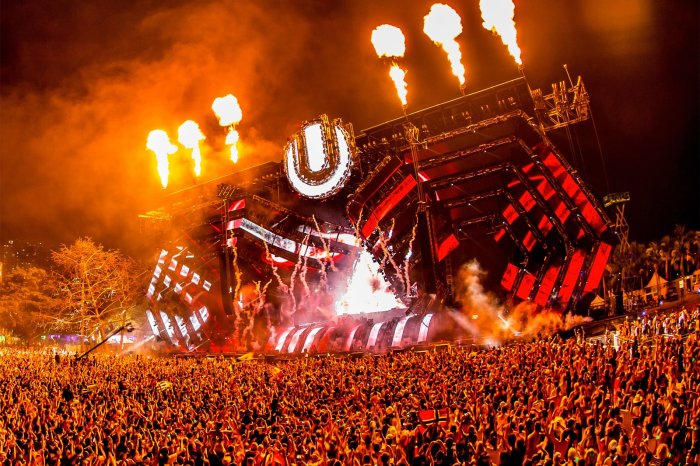
The lighting design is similarly diverse, ranging from traditional spotlights to laser shows and intricate projections. Finally, Electric Daisy Carnival (EDC) prioritizes extravagant stage designs, often featuring towering structures, elaborate theming, and intense, pulsating lighting effects. The overall aesthetic is futuristic and hyper-kinetic, reflecting the electronic dance music genre.
Visual Storytelling in Promotional Materials
Festivals employ a range of visual storytelling techniques in their promotional materials. Coachella’s marketing often uses high-quality photography and videography, emphasizing the stylish attendees and the desert landscape, projecting an image of exclusivity and sophistication. Lollapalooza’s promotional materials showcase the diversity of its musical lineup and the energetic crowd, highlighting the inclusive and vibrant atmosphere of the festival. EDC’s promotional campaigns frequently use vibrant, otherworldly imagery, emphasizing the fantastical and immersive nature of the experience.
These diverse approaches reflect the unique brand and target audience of each festival.
Crowd and Atmosphere at a Major Festival
Imagine a sea of people, a kaleidoscope of color and movement. The air hums with a palpable energy, a mixture of anticipation, excitement, and shared experience. At a major festival like Coachella, the crowd is a diverse tapestry of individuals, united by their love of music. The atmosphere is electric, a vibrant blend of music, dancing, and camaraderie.
The sun beats down, casting long shadows as the crowd surges forward, a wave of bodies moving in time to the music. Confetti rains from the sky, catching the light as it drifts down, adding to the spectacle. The energy is infectious, spreading from person to person, creating a powerful sense of community and shared experience. The sounds of music blend with the excited chatter of the crowd, creating a symphony of human energy that is both exhilarating and overwhelming.
The visual experience is a sensory overload, a kaleidoscope of colors, lights, and movement, leaving a lasting impression long after the music fades.
Ultimately, the best US music festival for you depends on your personal preferences – be it genre, atmosphere, or location. Whether you’re a seasoned festival-goer or a first-timer, understanding the diverse landscape of these events empowers you to make informed choices and plan an unforgettable experience. Remember to consider factors like budget, travel logistics, and responsible festival attendance to maximize your enjoyment while minimizing your impact.
The energy, music, and community spirit found at these festivals make them truly unique events, offering memories that last a lifetime.
FAQ Corner
What is the average ticket price for a major US music festival?
Ticket prices vary greatly depending on the festival, the artist lineup, and the type of ticket (general admission, VIP, etc.). Expect to pay anywhere from $100 to $500 or more per ticket.
How do I find out about potential safety concerns at a specific festival?
Check the festival’s official website for safety information and guidelines. Many festivals also provide details on security measures, emergency services, and recommended safety practices.
Are there age restrictions for US music festivals?
Age restrictions vary by festival. Many festivals are all-ages, while others have age restrictions (e.g., 18+ or 21+) for certain areas or activities.
What types of accommodation are available near music festivals?
Options range from camping on-site (if offered) to nearby hotels, motels, Airbnb rentals, and even RV parks. Booking well in advance is highly recommended.


