
Festivals: a whirlwind of music, art, and unforgettable experiences. But before you lose yourself in the vibrant atmosphere, meticulous planning is key, especially when it comes to packing. This guide will equip you with the essential knowledge to pack efficiently and comfortably for your next festival adventure, ensuring you’re prepared for anything the festival throws your way – from scorching sun to unexpected downpours.
We’ll cover everything from clothing essentials and toiletries to essential gear and sustainable packing practices. Learn how to strategically choose versatile clothing items, pack smart for varying weather conditions, and prioritize items that will enhance both your comfort and the overall festival experience. Get ready to create lasting memories without the stress of inadequate preparation.
Essential Gear and Accessories
Packing for a music festival requires careful consideration of both comfort and practicality. You’ll be on your feet for long periods, exposed to the elements, and likely carrying everything you need. Choosing the right gear can significantly enhance your festival experience, ensuring you’re prepared for whatever comes your way. This section Artikels essential items and helpful accessories to consider.
Prioritizing comfort and practicality is key when selecting your festival gear. A well-packed bag can mean the difference between a memorable experience and a miserable one. Consider the festival’s location, weather forecast, and planned activities when making your choices.
Essential Gear
This list covers the bare necessities for a comfortable and safe festival experience. While some items might seem obvious, forgetting even one can significantly impact your enjoyment.
- Comfortable Backpack: A backpack with adjustable straps and ample space is crucial for carrying all your essentials. Consider a backpack with a water-resistant coating or a separate compartment for wet items.
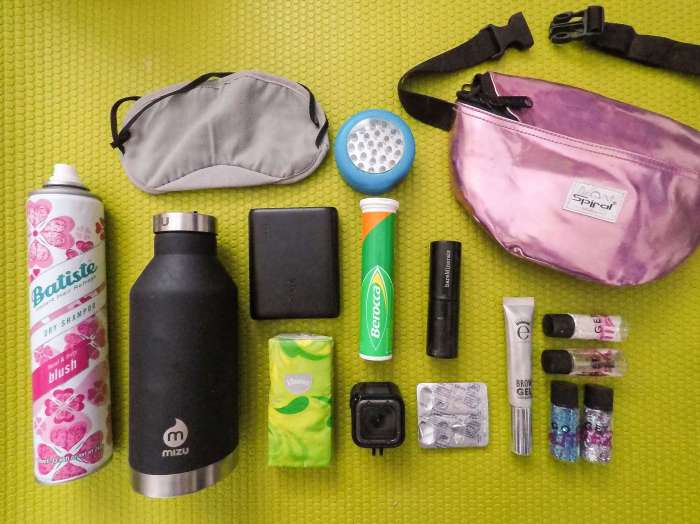
- Portable Charger: Festivals often involve long days with limited access to charging stations. A portable charger will keep your phone powered up for photos, communication, and navigation.
- Reusable Water Bottle: Staying hydrated is paramount, especially in warm weather. A reusable water bottle will save you money and reduce plastic waste. Choose one that’s easy to clean and carry.
- Sunscreen: Protect your skin from the sun’s harmful rays, even on cloudy days. Choose a high SPF sunscreen and reapply regularly.
- Hat: A hat provides shade for your face and neck, offering additional sun protection. A wide-brimmed hat is particularly effective.
Waterproof Protection
Festivals often take place outdoors, leaving you vulnerable to unexpected rain showers. Protecting your belongings and yourself from the elements is crucial for maintaining comfort and enjoyment.
A waterproof bag or poncho is a valuable investment. A waterproof bag protects electronic devices and other sensitive items from rain or spills. A poncho will keep you dry and comfortable even during heavy rainfall. Consider the level of protection needed based on the weather forecast.
Festival Bag Options
The type of bag you choose significantly impacts your comfort and organization. Several options exist, each with its own advantages and disadvantages.
- Backpack: Offers ample storage and hands-free carrying. However, larger backpacks can be cumbersome in crowded spaces.
- Fanny Pack/Waist Bag: Ideal for carrying essentials like your phone, wallet, and keys, keeping them close and accessible. Limited storage capacity is a drawback.
- Crossbody Bag: Provides security and keeps your hands free. However, the carrying capacity might be limited depending on the size.
Optional Accessories
These items can significantly enhance your festival experience, but aren’t strictly necessary. They can add comfort, convenience, or entertainment depending on your preferences.
- Binoculars: For better views of the stage, especially in large venues.
- Portable Fan: Provides relief from the heat, particularly during hot and crowded events.
- Dry Bag: Keeps valuables safe from water and dirt. Useful for phones, wallets, and other electronics.
- Comfortable Walking Shoes: Essential for navigating potentially long distances and crowded areas. Consider shoes with good support and cushioning.
Planning and Preparation for a Festival Trip
Thorough planning is crucial for a smooth and enjoyable festival experience. Failing to prepare adequately can lead to unnecessary stress, missed opportunities, and a less-than-ideal time. This section Artikels a structured approach to festival preparation, covering itinerary creation, packing schedules, booking essentials, and safety tips.
A Typical Festival Day Itinerary
A well-structured daily itinerary maximizes your festival experience. This sample itinerary assumes a multi-day festival with varied activities. Adjust it to suit the specific festival schedule and your preferences.
- Morning (8:00 AM – 12:00 PM): Wake up, have breakfast (consider bringing your own granola bars for convenience), and slowly pack up your campsite or hotel room. Check out of your accommodation if necessary. This allows for a relaxed start to the day without the rush.
- Afternoon (12:00 PM – 6:00 PM): Head to the festival grounds. Enjoy lunch, explore different areas, browse merchandise stalls, and attend some early afternoon performances. Schedule a break in the shade during the hottest part of the day to avoid overheating.
- Evening (6:00 PM – 12:00 AM): Attend the main performances you’ve been looking forward to. Grab dinner from a food stall or bring your own snacks. Engage with other festival-goers and enjoy the atmosphere. Plan for potential delays or long lines.
- Night (12:00 AM – 8:00 AM): Head back to your accommodation, freshen up, and get some rest. Consider earplugs to block out noise and an eye mask to improve sleep quality in a potentially bright or noisy environment.
A Practical Packing Schedule
A packing schedule helps avoid last-minute rushes and ensures you don’t forget essential items. This example assumes a 3-day festival, but it can be easily adapted.
- One week before: Confirm accommodation and transportation bookings. Check the weather forecast and adjust clothing accordingly. Create a detailed packing list.
- Three days before: Gather all clothing and personal items. Begin packing non-perishable food and drinks.
- One day before: Pack your bag(s) completely, ensuring everything is organized and easily accessible. Charge all electronic devices.
- Day of departure: Double-check your packing list and ensure you have all necessary documents (tickets, ID, etc.). Have a final meal and depart for the festival.
The Importance of Pre-Booking Accommodation and Transportation
Pre-booking accommodation and transportation is highly recommended, especially for popular festivals. Last-minute bookings can be significantly more expensive and may not be available, leaving you with limited options or potentially ruining your trip. Securing these arrangements in advance guarantees a hassle-free experience. For example, imagine trying to find a hotel room in a city hosting a major music festival without prior booking—the prices would likely be exorbitant, and availability would be scarce.
Similarly, relying on public transport during peak festival times can be unpredictable and overcrowded.
Tips for a Safe and Enjoyable Festival Experience
- Stay hydrated: Drink plenty of water throughout the day, especially in hot weather. Dehydration can lead to heatstroke and other health issues.
- Be aware of your surroundings: Keep an eye on your belongings and be mindful of your personal safety, especially at night. Festivals can be crowded, and pickpocketing can be a risk.
- Protect yourself from the sun: Use sunscreen, wear a hat, and seek shade when necessary. Sunburn can ruin your festival experience.
- Look after your belongings: Secure valuables, and consider using a money belt or a hidden pocket to store cash and cards.
- Respect others: Be considerate of those around you and maintain a positive attitude. This contributes to a more enjoyable atmosphere for everyone.
Festival Trip Specifics
Packing for a festival requires careful consideration beyond the basics. The type of festival significantly influences your packing list, as does the duration and the potential environmental challenges. Understanding these factors is key to a comfortable and enjoyable experience.Festival Packing Needs Vary by Type
Packing for Different Festival Types
Music festivals, arts festivals, and food festivals each present unique packing requirements. Music festivals often necessitate more durable clothing and footwear suitable for dancing and potentially muddy conditions. Arts festivals might prioritize comfortable walking shoes and clothing suitable for both indoor and outdoor venues, potentially including more formal attire depending on the events. Food festivals, on the other hand, may require less emphasis on weather protection and more on comfortable clothing for extensive walking and sampling various cuisines.
Consider the specific activities and environment of the festival when creating your packing list. For instance, a heavy metal music festival will require sturdier footwear than a folk music festival in a park.
Potential Festival Challenges and Solutions
Festival environments present several potential challenges. Crowds can lead to lost items or separation from your group. Weather conditions can range from extreme heat to unexpected rain. Limited access to amenities like clean restrooms and charging stations also poses a problem. To mitigate these challenges, consider using a brightly colored backpack or attaching a whistle to it for easier identification.
Packing waterproof bags for electronics and clothing is crucial, as is bringing a portable charger and a reusable water bottle. Consider pre-planning meeting points with your group and establishing communication methods in case of separation.
Efficient Packing for Multi-Day Festivals
Efficient packing for a multi-day festival relies on strategic choices and organization. Layering clothing allows for adaptability to changing weather conditions. Choosing versatile items that can be mixed and matched minimizes the number of outfits required. Using packing cubes to organize clothing and other essentials helps maintain order and maximizes space. A well-organized packing strategy reduces unnecessary weight and prevents items from getting lost or crushed.
For example, instead of packing multiple pairs of shoes, select one versatile pair suitable for various terrains and activities.
Ideal Organized Festival Backpack
Imagine a backpack with multiple compartments. The main compartment holds clothing organized in packing cubes – one for shirts, one for pants, and another for underwear and socks. A separate, easily accessible front pocket contains essentials like a phone, wallet, and keys. Side pockets accommodate a reusable water bottle and sunscreen. A top compartment holds a small first-aid kit and any necessary medications.
A waterproof pouch inside protects electronics, and a small, detachable day bag can be used for carrying smaller items while exploring the festival grounds. The backpack itself is sturdy, comfortable, and ideally features a rain cover.
Sustainable Festival Packing
Festivals are a fantastic way to celebrate music, art, and community, but they can also generate a significant amount of waste. By making conscious choices about what you pack, you can significantly reduce your environmental impact and contribute to a more sustainable festival experience. This section Artikels practical strategies for eco-friendly festival packing, minimizing your footprint, and supporting responsible practices.
Eco-Friendly Packing Choices
Choosing reusable and durable items over single-use plastics is crucial for minimizing your environmental impact. This includes selecting items made from sustainable materials like bamboo, recycled materials, or organic cotton. Opting for products with minimal packaging also reduces waste. Prioritizing items with a long lifespan reduces the need for frequent replacements, further minimizing waste. For example, instead of packing many single-use plastic water bottles, a reusable water bottle is a much more sustainable option.
Similarly, choosing a durable, reusable food container instead of disposable plasticware significantly reduces waste.
Reusable Items to Replace Single-Use Plastics
Several readily available items can replace single-use plastics commonly used at festivals.
- Reusable water bottle: A high-quality, insulated water bottle keeps your drinks cold and reduces the need for purchasing bottled water.
- Reusable food containers: Pack your meals and snacks in reusable containers made from materials like stainless steel or bamboo. These are far more durable than single-use plastic containers.
- Reusable cutlery set: A compact set of reusable cutlery (fork, knife, spoon) eliminates the need for disposable plastic cutlery.
- Reusable shopping bag: Carry a sturdy, reusable shopping bag to avoid using plastic bags provided by vendors.
- Reusable straws: Metal or silicone straws are durable alternatives to plastic straws.
Waste Reduction During and After the Festival
Proper waste disposal and mindful consumption are key to reducing your waste footprint at a festival.
- Proper waste sorting: Familiarize yourself with the festival’s waste management system and diligently sort your waste according to the provided guidelines. Many festivals have designated recycling and composting areas.
- Minimize single-use items: Avoid purchasing items with excessive packaging or those that will create waste. Bring your own reusable items instead.
- Say no to plastic: Actively refuse single-use plastic items offered by vendors. Many festivals are actively trying to reduce plastic waste, so your participation is appreciated.
- Pack out everything you pack in: A fundamental principle of Leave No Trace ethics. Ensure you take all your trash with you, including any waste that may have accumulated throughout the festival.
Benefits of Choosing Sustainable Festival Vendors and Products
Supporting sustainable festival vendors directly contributes to a greener event.
By choosing vendors who prioritize eco-friendly practices, you encourage responsible production and consumption. Look for vendors using recycled or sustainable materials, minimizing packaging, and implementing waste reduction strategies. Supporting these businesses incentivizes them to continue their environmentally conscious operations and inspires other vendors to follow suit. This creates a positive feedback loop that benefits both the environment and the festival experience.
Packing for a festival is more than just throwing clothes in a bag; it’s about strategic planning that ensures a smooth and enjoyable experience. By carefully considering the elements discussed – from weather-appropriate clothing and essential gear to sustainable choices and pre-trip preparation – you can maximize your festival enjoyment and minimize any potential hassles. Remember, a well-packed bag is a happy festival-goer! So, grab your backpack, follow our tips, and get ready for an unforgettable adventure.
FAQ Overview
What if I forget something important?
Most festivals have vendors selling common items, but it’s always best to make a checklist and double-check before you leave. Consider bringing a small, versatile first-aid kit to handle minor issues.
How much cash should I bring?
Bring a mix of cash and cards. Many vendors may not accept cards, especially smaller ones. Check the festival’s website for details on payment options.
What about charging my phone?
A portable charger is crucial. Festivals often have limited charging stations, and they may be crowded. A solar-powered charger is also a great option.
Can I bring my own food and drinks?
Check the festival’s rules regarding outside food and drinks. Many festivals have restrictions, and bringing your own might not be allowed.


