
Embark on a culinary adventure! This guide unveils the world’s best food festivals, perfect for discerning travelers seeking unique experiences. We’ll explore diverse culinary traditions, from regional specialties to international feasts, considering not just the food itself, but also location, accessibility, and cultural immersion. Prepare to tantalize your taste buds and expand your horizons.
Whether you crave authentic regional dishes, crave international flavors, or prefer themed events, the perfect food festival awaits. We’ll delve into practical aspects of planning your trip, including budgeting, finding accommodation, and ensuring a safe and enriching experience. Get ready to savor the flavors and create unforgettable memories.
Festival Trips
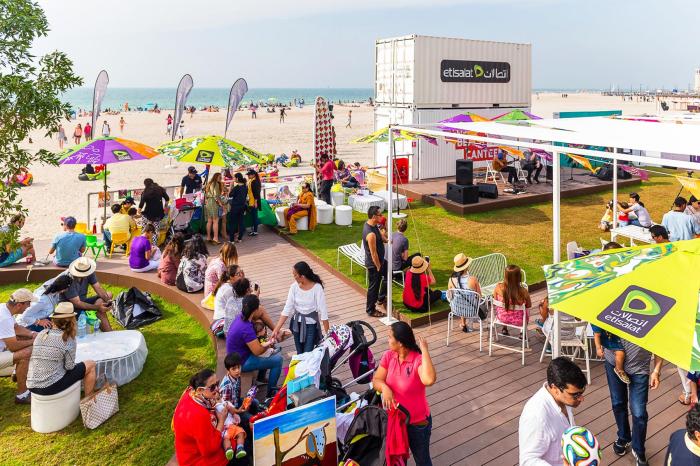
Food festivals offer a fantastic opportunity to delve deeper into a region’s culture than simply tasting its cuisine. They act as vibrant hubs showcasing local traditions, artistry, and community spirit, providing travelers with a richer, more authentic experience than a typical tourist itinerary. Beyond the delicious food, these events offer a window into the heart and soul of a destination.Exploring Cultural Aspects at Food FestivalsFood festivals are rarely solely about the food itself; they are often infused with the local culture.
Music, dance, and traditional crafts are frequently showcased alongside the culinary offerings. For instance, a harvest festival might feature local musicians playing traditional folk music while artisans demonstrate pottery or weaving techniques. This immersive experience allows travelers to witness and appreciate the rich tapestry of cultural heritage associated with the region’s gastronomy. The atmosphere itself often reflects the local character, creating a memorable and educational experience far beyond the simple consumption of food.Opportunities for Interacting with Local CommunitiesFood festivals provide excellent opportunities to interact directly with the local community.
Many festivals involve local farmers, producers, and chefs who are often happy to share their knowledge and passion for their craft. Conversations about ingredients, cooking techniques, and the history of particular dishes provide a unique and personal insight into the region’s culinary heritage. Participating in cooking demonstrations or workshops allows for hands-on learning and interaction with locals, fostering a sense of connection and shared experience.
Simply engaging with vendors and asking questions about their products can lead to interesting conversations and a deeper understanding of the local way of life.Benefits of Sustainable and Responsible Tourism at Food FestivalsSustainable tourism practices are crucial for preserving the cultural integrity and environmental health of the locations hosting food festivals. Choosing to support local businesses, reducing waste, and respecting local customs are all vital aspects of responsible travel.
For example, opting for reusable water bottles and avoiding single-use plastics demonstrates environmental consciousness. Respecting local traditions and customs, such as dressing modestly or being mindful of noise levels, shows consideration for the community. Furthermore, supporting local producers and artisans helps to ensure the long-term sustainability of their livelihoods and the preservation of traditional foodways. By making conscious choices, travelers can contribute to the positive impact of food festivals on both the local economy and environment.
Food Festival Safety and Practical Tips
Enjoying a food festival should be a delicious and memorable experience. However, the bustling atmosphere and large crowds can present unique safety and hygiene challenges. Prioritizing safety and preparedness will ensure you can fully savor the culinary delights without unnecessary worries. This section offers practical advice for a safe and enjoyable festival experience.Food safety and hygiene are paramount at any large food event.
The sheer number of people and the variety of food vendors mean that maintaining consistently high standards can be difficult. Therefore, taking personal precautions is crucial.
Food Safety Practices
Practicing safe food handling is essential to prevent foodborne illnesses. Choose vendors with visibly clean stalls and food preparation areas. Look for signs of proper food handling, such as the use of gloves and appropriate food storage. Opt for foods that are freshly cooked and served hot, avoiding dishes that have been sitting out at room temperature for extended periods.
If unsure about a vendor’s hygiene practices, it’s always best to err on the side of caution and choose another option. Remember to wash your hands frequently, especially before eating. Hand sanitizer is a helpful addition, but handwashing remains the most effective method.
Managing Crowds and Personal Belongings
Navigating large crowds at a food festival requires awareness and planning. Consider wearing comfortable shoes and clothing suitable for walking and standing for extended periods. Keep valuables such as wallets and phones secure, ideally in a zipped pocket or bag worn close to your body. Avoid carrying large bags or backpacks that could be easily targeted by thieves.
Designate a meeting point with your companions in case you get separated. Stay aware of your surroundings and be mindful of potential pickpockets, especially in densely packed areas.
Staying Safe and Healthy
Staying hydrated is crucial, particularly in warm weather. Carry a reusable water bottle and refill it throughout the day. Avoid excessive alcohol consumption, as it can impair judgment and increase vulnerability. Apply sunscreen regularly if the festival is outdoors, and wear a hat for sun protection. If you have any dietary restrictions or allergies, clearly communicate them to vendors before ordering food.
It’s also advisable to bring any necessary medications with you, especially if you require them regularly. In the event of an emergency, familiarize yourself with the location of first aid stations and security personnel before the festival begins.
From the vibrant street food scenes to elegant wine tastings, the world’s food festivals offer more than just delicious food; they offer cultural immersion, unique experiences, and lasting memories. Planning your next culinary journey? Use this guide to discover the perfect festival that aligns with your interests and budget, and embark on an unforgettable adventure that tantalizes your senses and broadens your horizons.
Bon appétit!
Detailed FAQs
What is the best time of year to visit food festivals?
The ideal time varies depending on the festival’s location and climate. Research the specific festival’s dates and consider local weather conditions for optimal enjoyment.
How can I avoid food poisoning at a food festival?
Choose vendors with good hygiene practices, opt for freshly cooked food over pre-prepared items, and ensure food is served at the correct temperature. Stay hydrated and be mindful of what you consume.
Are food festivals suitable for families with children?
Many food festivals are family-friendly, offering activities and entertainment beyond just food. However, check the specific festival’s website for details about child-friendly amenities and activities.
How do I find affordable flights and accommodation near food festivals?
Use flight comparison websites and book flights and accommodation in advance to secure the best deals. Consider staying slightly outside the main festival area for potentially lower prices.


