
Embark on an unforgettable journey with our comprehensive Festival Travel Guide for First-Timers. This guide navigates you through the exciting world of music festivals and beyond, equipping you with the knowledge and confidence to plan a seamless and memorable experience. From crafting the perfect itinerary to mastering festival etiquette and budgeting effectively, we’ll cover all aspects of your first festival adventure.
Whether you’re a seasoned traveler or a first-time festival-goer, this guide offers invaluable insights and practical tips to ensure your trip is both enjoyable and stress-free. We delve into essential planning stages, covering accommodation choices, transportation logistics, safety precautions, and even capturing your memories effectively. Discover the unique atmosphere and culture of festivals, learn how to manage your budget wisely, and ultimately, create cherished memories that will last a lifetime.
Planning Your First Festival Trip
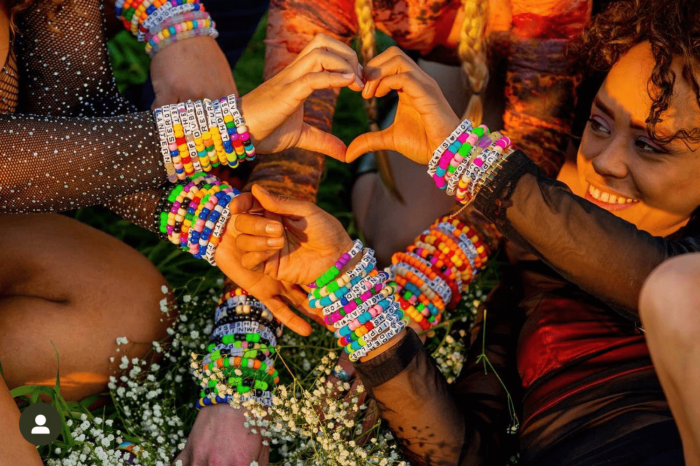
Embarking on your first festival adventure can be both exciting and daunting. Careful planning is key to ensuring a smooth and enjoyable experience, maximizing your fun and minimizing potential stress. This section will guide you through the essential steps of preparing for your festival debut, from crafting a detailed itinerary to packing the perfect festival bag.
Sample Three-Day Music Festival Itinerary
A well-structured itinerary is crucial for maximizing your time and enjoyment at a music festival. This sample itinerary assumes a Friday-Sunday festival schedule and prioritizes seeing a variety of acts while allowing for relaxation and exploration. Adjust this template to suit the specific festival schedule and your musical preferences.
| Day | Time | Activity |
|---|---|---|
| Friday | 12:00 PM | Arrive at festival grounds, set up camp/check into hotel. |
| 2:00 PM | Explore the festival grounds, grab food and drinks. | |
| 4:00 PM – 10:00 PM | Attend performances from your preferred artists. | |
| 10:00 PM | Enjoy late-night food options or relax at your accommodation. | |
| Saturday | 10:00 AM | Brunch and recovery time. |
| 12:00 PM | Explore the festival’s merchandise stalls or other activities. | |
| 2:00 PM – 10:00 PM | Attend more performances. | |
| 10:00 PM | Enjoy late-night activities or relax. | |
| Sunday | 10:00 AM | Pack up camp/check out of hotel. |
| 12:00 PM | Attend final performances. | |
| 2:00 PM | Depart from the festival grounds. |
Festival Packing Checklist
Packing appropriately is essential for a comfortable and enjoyable festival experience. Consider the weather forecast and the festival’s specific environment when creating your packing list.
This checklist categorizes essential items by necessity level.
- Essentials: Passport/ID, tickets, phone and charger, money/cards, basic first-aid kit (band-aids, pain relievers, antiseptic wipes).
- Clothing: Comfortable shoes (essential!), layers of clothing suitable for various weather conditions, hat, sunglasses, rain jacket/poncho.
- Hygiene: Sunscreen, insect repellent, hand sanitizer, biodegradable wet wipes, toothbrush/toothpaste, deodorant.
- Optional but Recommended: Reusable water bottle, portable charger, small backpack, comfortable blanket or chair, earplugs, dry bag for valuables.
Festival Accommodation Options
Choosing the right accommodation significantly impacts your festival experience. Each option presents unique advantages and disadvantages.
Consider these factors when selecting your accommodation:
- Camping: Pros: Immersive experience, cost-effective, close to the action. Cons: Can be crowded and noisy, requires carrying all your gear, weather dependent.
- Hotels: Pros: Comfortable, convenient, amenities available. Cons: Can be expensive, potentially further from the festival grounds requiring transportation.
- Hostels: Pros: Budget-friendly, social atmosphere, often centrally located. Cons: Shared facilities, less privacy than a hotel.
Understanding Festival Culture
Stepping into the world of large-scale music festivals is like entering a vibrant, temporary city. It’s a unique blend of shared experiences, artistic expression, and community spirit. Understanding the unwritten rules and the overall atmosphere is key to having a positive and memorable experience. This section will help you navigate this exciting, sometimes overwhelming, environment.Festivals are characterized by a high-energy, immersive atmosphere.
The sheer scale of the event, with thousands of people gathered in one place, contributes to a powerful sense of collective excitement. Music is, of course, central, but the experience extends far beyond the stage. Think of it as a dynamic ecosystem where music, art, and social interaction intertwine. This vibrant energy is part of the festival’s appeal, but it’s important to be aware of the unique etiquette that helps maintain a positive and safe environment for everyone.
Festival Etiquette and Atmosphere
Large-scale music festivals often have a shared sense of camaraderie and mutual respect. While the atmosphere is generally energetic and celebratory, maintaining a respectful attitude towards fellow attendees and festival staff is essential. This includes being mindful of personal space, avoiding disruptive behavior, and being considerate of those around you. For example, respecting quiet zones, avoiding excessive shouting, and keeping your belongings secure are all part of being a responsible festival-goer.
Many festivals also have designated quiet areas for those seeking a break from the intensity. The overall tone is usually one of inclusivity and tolerance, with a focus on enjoying the shared experience.
Beyond the Music: Festival Activities
Music is undoubtedly the heart of most festivals, but a rich tapestry of other activities contributes to the overall experience. Art installations often pop up throughout the festival grounds, ranging from large-scale sculptures to interactive exhibits. These installations provide visual stimulation and opportunities for creative engagement, adding another layer to the festival’s artistic offerings. Food vendors offer a diverse range of culinary options, from gourmet food trucks to local artisan treats, catering to a wide variety of tastes and dietary needs.
Many festivals also host workshops, ranging from yoga and meditation sessions to crafting classes and instrument demonstrations. These activities offer a chance to engage in different aspects of the festival culture beyond the main musical performances. For instance, at Coachella, large-scale art installations are a prominent feature, while Glastonbury offers a diverse range of workshops and activities beyond the musical acts.
Responsible Festival-Going and Environmental Awareness
Respecting the environment and practicing responsible festival-going behavior are crucial aspects of participating in these large-scale events. This includes proper waste disposal, utilizing recycling facilities, and minimizing your environmental footprint. Many festivals now actively promote sustainability initiatives, encouraging attendees to bring reusable water bottles, avoid single-use plastics, and participate in clean-up efforts. This collective responsibility ensures that the festival’s impact on the environment is minimized, allowing future generations to enjoy similar events.
Furthermore, respecting the festival grounds, avoiding littering, and being mindful of noise levels in designated quiet areas contribute to a more enjoyable experience for everyone. Leaving the festival site cleaner than you found it is a mark of responsible and considerate festival attendance.
Planning your first festival trip can feel daunting, but with careful preparation and the right information, it can be an incredibly rewarding experience. This guide has provided a framework for creating a successful and safe festival adventure. Remember to prioritize your safety, respect the environment, and embrace the unique culture of the festival you choose. By following the advice Artikeld here, you’ll be well-equipped to enjoy the music, the atmosphere, and the memories that await you at your first festival.
So, pack your bags, grab your friends, and get ready for an unforgettable experience!
Top FAQs
What type of clothing is best for a music festival?
Comfortable, weather-appropriate clothing is key. Layers are recommended as temperatures can fluctuate. Consider sturdy shoes for walking long distances.
How do I stay hydrated at a festival?
Carry a reusable water bottle and refill it frequently at designated water stations. Avoid excessive alcohol consumption to prevent dehydration.
What should I do if I lose my friends at a festival?
Establish a meeting point beforehand. If separated, proceed to the designated meeting point or seek assistance from festival staff.
Are there age restrictions for festivals?
Age restrictions vary by festival. Check the specific festival’s website for details regarding age limits and ID requirements.


