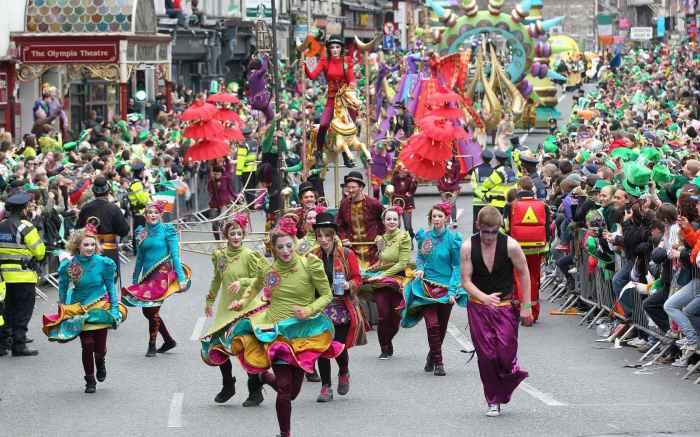
Europe, a tapestry woven from diverse cultures and histories, bursts into vibrant life each year with a kaleidoscope of captivating festivals. From the religious fervor of processions to the joyous abandon of music festivals, from the rich aromas of food festivals to the historical reenactments that bring the past to life, these events offer an unparalleled opportunity to immerse oneself in the heart of European culture.
This exploration delves into the best of these experiences, providing a guide to planning an unforgettable journey.
Beyond the spectacle and entertainment, European cultural festivals provide a unique window into the traditions, beliefs, and artistic expressions of various communities. They offer a chance to connect with locals, participate in age-old customs, and gain a deeper understanding of the continent’s rich heritage. Whether you are a seasoned traveler or a first-time visitor, experiencing a European cultural festival is an enriching and unforgettable experience.
Top 10 Cultural Festivals in Europe (By Region)
Europe boasts a rich tapestry of cultural festivals, each reflecting the unique history and traditions of its diverse regions. These vibrant events offer a captivating glimpse into the heart of European culture, providing opportunities to experience music, dance, art, food, and more. This selection highlights ten notable festivals, showcasing the breadth and depth of European cultural expression.
Top 10 Cultural Festivals in Europe: A Regional Overview
This section presents a curated list of ten significant cultural festivals, categorized by their geographical location within Europe. The festivals selected represent a variety of cultural expressions and artistic forms.
| Region | Festival Name | Date (Approximate) | Description |
|---|---|---|---|
| Western Europe (France) | Festival d’Avignon | July | One of the world’s most prestigious performing arts festivals, showcasing theatre, dance, and music from around the globe. It transforms the historic city of Avignon into a vibrant hub of artistic expression. |
| Western Europe (Spain) | La Tomatina | Last Wednesday of August | A unique and wildly popular festival in Buñol, Valencia, where participants engage in a massive tomato fight. It’s a chaotic and fun event with a strong sense of community. |
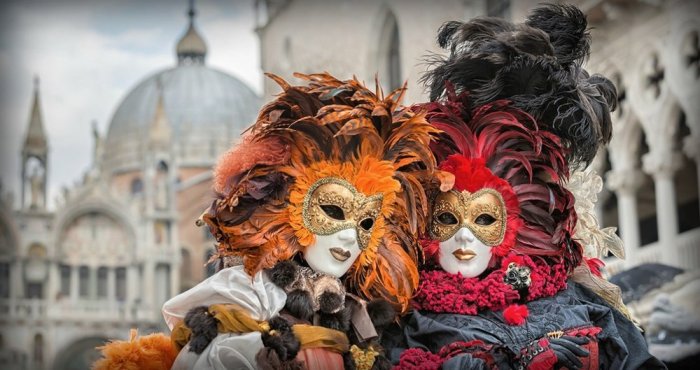
| Southern Europe (Italy) | Venice Carnival | February/March | A spectacular celebration of masks, costumes, and elaborate parades. The carnival immerses visitors in a world of fantasy and historical pageantry, reflecting Venice’s rich artistic heritage. |
| Southern Europe (Greece) | Athens Festival | June-August | A summer festival featuring performances of ancient Greek drama, concerts, and dance in the stunning historical settings of the Acropolis and other ancient sites. |
| Northern Europe (Sweden) | Midsummer Festival (Midsommar) | June | A traditional celebration of the summer solstice, characterized by dancing around maypoles, floral crowns, and feasting. It’s a deeply rooted cultural event emphasizing nature and community. |
| Northern Europe (United Kingdom) | Edinburgh Festival Fringe | August | The world’s largest arts festival, featuring a vast array of performances, from theatre and comedy to music and dance. It attracts performers and audiences from across the globe. |
| Eastern Europe (Czech Republic) | Prague Spring International Music Festival | May | A renowned classical music festival showcasing performances by leading international orchestras and soloists. It’s a significant event in the classical music world. |
| Eastern Europe (Hungary) | Sziget Festival | August | A massive music festival on Óbudai-sziget (Margaret Island) in Budapest, featuring a diverse lineup of international artists across various genres. It’s known for its vibrant atmosphere and international appeal. |
| Central Europe (Germany) | Oktoberfest | September/October | The world-famous beer festival in Munich, attracting millions of visitors annually. It’s a celebration of Bavarian culture, featuring traditional food, drink, and music. |
| Central Europe (Poland) | Wianki Festival | June/July (varies by location) | A traditional summer solstice celebration with roots in Slavic pagan traditions, featuring flower crowns, bonfires, and folk music and dance. It celebrates the beauty of nature and the arrival of summer. |
Festival Trip Planning
Planning a festival trip to Europe requires careful consideration of various logistical aspects to ensure a smooth and enjoyable experience. From securing the necessary travel documents to budgeting effectively and choosing the best mode of transport, meticulous planning is key to maximizing your time and minimizing potential stress. This section Artikels essential practical considerations for your European festival adventure.
Visa Requirements
Determining visa requirements is the first crucial step. Citizens of many countries enjoy visa-free travel within the Schengen Area, which encompasses a significant portion of Europe. However, it’s essential to verify your nationality’s specific entry requirements well in advance of your trip. The official websites of the relevant European embassies or consulates provide the most accurate and up-to-date information.
For example, citizens of the United States, Canada, Australia, and many others can typically enter the Schengen Area for tourism for up to 90 days without a visa. However, those from countries outside this arrangement must apply for a visa well in advance, often requiring several weeks or even months of processing time. Failure to secure the necessary documentation can lead to significant delays or prevent your travel entirely.
Travel Insurance
Comprehensive travel insurance is highly recommended for any international trip, particularly one involving participation in a potentially crowded and active festival. A robust policy should cover medical emergencies, trip cancellations or interruptions, lost or stolen belongings, and other unforeseen circumstances. The cost of medical care in Europe can be substantial, and insurance can prevent unexpected financial burdens. When choosing a policy, ensure that it covers the specific activities you plan to undertake, including festival attendance.
Consider the level of coverage needed, weighing the premium cost against the potential risks. For instance, a policy with higher coverage for medical expenses would be beneficial for those with pre-existing health conditions.
Budgeting
Creating a detailed budget is essential for a stress-free festival experience. Factor in the cost of flights or train tickets, accommodation (hotels, hostels, or Airbnb), festival tickets, food and drinks, sightseeing activities, and miscellaneous expenses (souvenirs, transportation within the city). Consider using budgeting apps or spreadsheets to track your spending and ensure you stay within your allocated funds.
For example, a five-day trip to a major European city might require a budget of €1000-€2000 per person, depending on your travel style and choices. Researching average costs for accommodation, food, and activities in your chosen city can help you create a realistic budget.
Transportation Options
Several modes of transportation can be used to reach European festivals. Flights offer the quickest option, particularly for long distances, but can be more expensive and less environmentally friendly. High-speed trains provide a comfortable and scenic alternative, often connecting major cities efficiently. Buses are a budget-friendly option, though journeys can be longer. The best choice depends on factors such as budget, travel time, and environmental concerns.
For instance, a flight from London to Barcelona might be faster than a train, but a train journey from Paris to Amsterdam might be more scenic and potentially cheaper.
Sample Five-Day Itinerary: Budapest, Hungary, Sziget Festival
This itinerary assumes attendance at the Sziget Festival, held annually on Óbudai-sziget (Margaret Island) in Budapest.
| Day | Activity | Notes |
|---|---|---|
| Day 1 | Arrival in Budapest, check into accommodation, explore the city center (Hungarian Parliament Building, Shoes on the Danube Bank). | Consider accommodation near the city center for easy access to attractions and public transport. |
| Day 2 | Sightseeing: Buda Castle, Matthias Church, Fisherman’s Bastion. Evening: Ruin bar hopping. | Take a funicular or walk up to Buda Castle for stunning views. |
| Day 3-4 | Sziget Festival | Enjoy the music, food, and atmosphere of the festival. Purchase festival tickets in advance. |
| Day 5 | Departure from Budapest. | Allow ample time for travel to the airport or train station. |
Immersive Cultural Experiences at European Festivals
Attending European cultural festivals offers a unique opportunity to delve deeply into the heart of a region’s traditions and way of life, going far beyond simply observing a performance or parade. These festivals provide a platform for genuine cultural immersion, allowing visitors to connect with local communities and experience authentic traditions firsthand. The level of interaction and the depth of experience depend heavily on the festival itself and the visitor’s willingness to engage.European festivals are more than just spectacles; they are living, breathing expressions of a community’s identity.
Participation allows for an intimate understanding of local customs, beliefs, and artistic expressions. By actively engaging with the festivities, visitors can foster a deeper appreciation for European culture, forming memories that transcend the typical tourist experience. This active participation creates a far more meaningful and lasting impression than passive observation.
Interaction with Locals and Authentic Traditions
Many European festivals are deeply rooted in centuries-old traditions, often involving local communities in their organization and performance. This creates a unique opportunity for meaningful interactions with locals. For example, attending a village feast in Spain might involve sharing food and conversation with residents, learning about their family history and local customs. Similarly, participating in a traditional folk dance workshop in a small town in Romania offers an opportunity to learn the steps and understand the cultural significance behind the movements.
The spontaneous conversations and shared experiences foster a genuine sense of connection and cultural exchange. The willingness to try local food and beverages, even if initially unfamiliar, is another key element in fostering a deeper connection with the local culture.
Respectful Participation in Festival Customs and Traditions
Respectful participation is crucial for a positive and enriching experience. Observing local customs and traditions demonstrates consideration for the host community. Before attending a festival, researching its specific customs and traditions is advisable. This could involve understanding appropriate dress codes, learning a few basic phrases in the local language, or researching any specific etiquette related to participation in events.
For instance, during religious processions, maintaining respectful silence and avoiding disruptive behavior is essential. At a traditional folk dance, observing from a respectful distance initially before potentially joining in (after receiving an invitation or clear signal) is a good approach. Similarly, refraining from taking photographs without permission, particularly during private moments or ceremonies, is paramount. Approaching interactions with genuine curiosity and a willingness to learn will significantly enhance the cultural exchange and contribute to a positive experience for both the visitor and the local community.
Festival Trips
Choosing between the diverse array of European festivals can be overwhelming. This comparative analysis explores the distinct experiences offered by two contrasting festival types, highlighting how each contributes uniquely to cultural understanding. We will examine a religious festival and a music festival to illustrate the varied aspects of festival participation.
Religious Festival versus Music Festival Experiences
Attending a religious festival, such as the Seville Semana Santa (Holy Week) in Spain, provides a profoundly different experience compared to a large-scale music festival like Sziget Festival in Budapest, Hungary. Semana Santa is characterized by deeply spiritual processions, solemn religious ceremonies, and a palpable sense of community faith. In contrast, Sziget offers a vibrant, energetic atmosphere focused on musical performances, diverse art installations, and a generally more informal and celebratory mood.
Atmospheric Differences and Cultural Immersion
The atmosphere at Semana Santa is one of reverence and contemplation. The streets are filled with the somber rhythm of marching bands, the chanting of prayers, and the hushed reverence of the crowds. Participants often dress in traditional attire, adding to the historical and spiritual ambiance. Cultural understanding is fostered through witnessing the deeply rooted traditions and the fervent faith of the participants.
This immersion offers insight into the religious and social fabric of Spanish culture.Conversely, Sziget Festival is characterized by a high-energy, multi-cultural atmosphere. The vast festival grounds buzz with the sounds of diverse music genres, conversations in multiple languages, and the general excitement of a massive gathering. The experience provides exposure to a broad spectrum of international music, art, and cultures, fostering intercultural understanding through direct interaction and shared experiences.
The vibrant, inclusive environment promotes cross-cultural exchange and interaction.
Activities and Visitor Engagement
Semana Santa involves witnessing elaborate processions featuring intricately carved floats (pasos) depicting scenes from the Passion of Christ. Participation may include attending religious services, observing traditional rituals, and engaging with the local community. The focus is on shared religious experience and community participation.Sziget, on the other hand, offers a diverse range of activities beyond music performances. These include art installations, theatre performances, circus acts, and numerous food and drink stalls representing various cuisines.
The emphasis is on individual choice and active participation in a diverse range of entertainment options. The sheer scale and variety of activities contribute to a dynamic and engaging visitor experience.
Overall Visitor Experience and Cultural Understanding
The overall visitor experience differs significantly. Semana Santa provides a reflective and deeply spiritual journey, fostering an understanding of Spain’s religious heritage and societal values. The experience is more introspective and focused on shared community ritual. Sziget offers a vibrant, energetic, and multi-cultural experience that promotes cross-cultural understanding through exposure to diverse musical styles, art forms, and international communities.
The experience is more outward-looking, focusing on shared celebration and individual exploration. Both experiences, however, offer invaluable opportunities for cultural learning and personal enrichment, demonstrating the varied ways festivals can contribute to broadening perspectives and fostering appreciation for different cultures.
Visual Representations of European Festivals
European festivals are not just about music and merriment; they are vibrant spectacles of visual artistry, deeply rooted in the cultural heritage of their respective regions. Costumes, decorations, and performances coalesce to create immersive aesthetic experiences, offering a captivating glimpse into the traditions and beliefs of the communities that celebrate them. The following examples highlight the power of visual representation in shaping the unique identities of these events.
Carnival of Venice, Italy
The Carnival of Venice is renowned for its elaborate masks and costumes. The masks, often intricately crafted from papier-mâché and adorned with feathers, jewels, and other embellishments, conceal identities and encourage anonymity, fostering a sense of freedom and playful interaction among participants. Costumes range from historical representations of Venetian nobility to fantastical creations, reflecting a blend of elegance and extravagance.
The visual impact is one of opulent mystery and theatrical grandeur. The overall aesthetic is amplified by the stunning backdrop of Venice’s canals and historic architecture, creating a mesmerizing interplay between the costumes and the city itself. The masks’ cultural significance lies in their historical association with the city’s aristocratic past and their role in fostering a sense of community and shared revelry.
La Tomatina, Buñol, Spain
La Tomatina, a food fight festival held annually in Buñol, Spain, presents a strikingly different visual spectacle. The visual element here is the sheer abundance of ripe tomatoes, transforming the town’s streets into a vibrant sea of red. The participants, initially dressed in ordinary clothes, quickly become canvases of tomato pulp, their attire morphing into a uniform of messy, sticky red.
The cultural significance of La Tomatina is less about elaborate costumes and more about the chaotic, uninhibited release of energy and the shared experience of playful destruction. The visual impact is one of vibrant chaos and spontaneous joy, a striking contrast to the more refined visuals of other European festivals. The overwhelming red color creates a powerful and memorable visual experience.
Up Helly Aa, Lerwick, Shetland
Up Helly Aa, a fire festival held in Lerwick, Shetland, Scotland, is a dramatic display of Viking heritage. The visual centerpiece is the procession of hundreds of participants dressed as Vikings, complete with horned helmets, fur cloaks, and weaponry. The torches they carry create a fiery spectacle as they march through the town, culminating in the burning of a replica Viking longship.
The cultural significance is deeply rooted in the Shetland Islands’ Viking past, representing a re-enactment of ancient traditions and a celebration of their unique heritage. The overall visual impact is one of powerful spectacle and historical drama, the flames and the costumes creating a truly unforgettable and awe-inspiring sight. The combination of fire, costumes, and the historical context creates a powerful and visually arresting experience.
From the sun-drenched plazas of Southern Europe to the historic squares of Northern Europe, exploring Europe’s cultural festivals promises an enriching journey. This exploration has highlighted the diversity and depth of these experiences, emphasizing not only the visual spectacle but also the profound cultural immersion they offer. By carefully planning your trip and embracing the local customs, you can create memories that will last a lifetime, fostering a deeper appreciation for Europe’s multifaceted cultural landscape.
FAQ Guide
What is the best time of year to visit European festivals?
The best time varies greatly depending on the specific festival and its location. Many festivals occur during the summer months (June-August), but others take place throughout the year, often tied to religious holidays or seasonal events.
How much money should I budget for a festival trip?
Budgeting depends heavily on your travel style and chosen festival. Consider flight/train costs, accommodation (hotels, hostels, or Airbnb), food, entrance fees, and spending money for souvenirs and activities. Researching specific festival costs in advance is crucial.
Are there language barriers at European festivals?
While English is widely spoken in many tourist areas, knowing basic phrases in the local language can enhance your experience. Many festivals will have multilingual signage and information materials.
What should I pack for a European festival?
Comfortable shoes are essential! Pack layers of clothing suitable for varying weather conditions, sunscreen, a hat, and rain gear. Consider a small backpack for carrying essentials during the festival itself.


