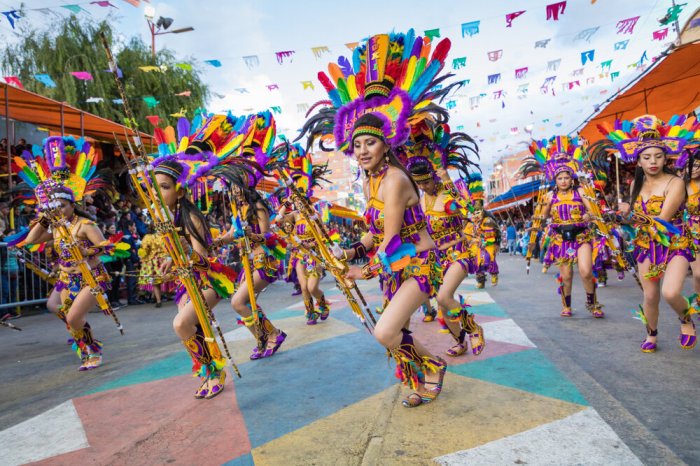
South America pulsates with a vibrant rhythm of festivals, each a unique tapestry woven from indigenous traditions, religious fervor, and exuberant celebrations. From the world-renowned Carnival parades to intimate indigenous gatherings, these festivals offer a captivating glimpse into the continent’s rich cultural heritage. They’re not just events; they’re immersive experiences that resonate long after the final drumbeat fades, offering a chance to connect with local communities and witness traditions passed down through generations.
The sheer diversity is astounding: the explosive energy of Rio’s Carnival contrasts sharply with the spiritual solemnity of Andean indigenous ceremonies. Whether you’re drawn to the flamboyant costumes, the infectious music, or the opportunity to connect with a culture vastly different from your own, South American festivals provide an unparalleled travel experience. This exploration will delve into the most captivating festivals, offering insights into their history, significance, and practical tips for planning your own unforgettable journey.
Festivals in South America
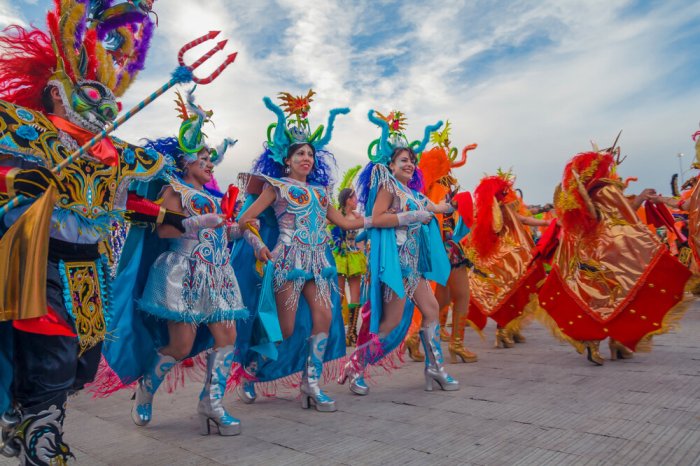
South America pulsates with a vibrant rhythm, a tapestry woven from indigenous traditions, colonial influences, and modern expressions. This vibrant energy finds its most exhilarating expression in the continent’s countless festivals, each a unique window into the soul of a particular region or community. From dazzling carnivals to solemn religious processions, from lively music festivals to indigenous celebrations honoring ancient spirits, South America offers a kaleidoscope of experiences unmatched anywhere else in the world.
These festivals are not merely events; they are immersive journeys into the heart of a culture, offering a chance to connect with the people, the land, and the rich history of this captivating continent.Experiencing a South American festival is more than just witnessing a spectacle; it’s about participating in a living tradition. The infectious energy, the dazzling costumes, the captivating music, and the delicious food all contribute to an unforgettable experience.
These festivals offer a unique opportunity to understand the cultural diversity of South America, fostering a deeper appreciation for the continent’s unique blend of indigenous heritage, European influences, and African traditions. Furthermore, immersion in these vibrant celebrations provides an unparalleled opportunity for personal growth and cultural understanding, creating memories that last a lifetime.
The Diverse Range of South American Festivals
South American festivals are incredibly diverse, reflecting the continent’s multifaceted cultural landscape. For instance, Carnival in Rio de Janeiro, Brazil, is a world-renowned spectacle of flamboyant costumes, samba dancing, and exuberant street parties. In contrast, the Inti Raymi festival in Cusco, Peru, is a solemn and awe-inspiring celebration of the Inca sun god, featuring traditional rituals and costumes.
These two examples, though vastly different in style and purpose, both showcase the depth and breadth of festival traditions across South America. Other examples include the Fiesta de la Vendimia in Mendoza, Argentina, celebrating the grape harvest, and the Barranquilla Carnival in Colombia, known for its elaborate floats and vibrant street performances. Each festival possesses a distinct character, reflecting the unique history and cultural identity of its region.
Carnival Celebrations Across South America
Carnival, a vibrant explosion of color, music, and dance, takes on unique forms across South America. While sharing a common thread of pre-Lenten revelry, the celebrations in different regions boast distinct histories, traditions, and styles. This section compares and contrasts the Carnival experiences in Rio de Janeiro, Brazil; Oruro, Bolivia; and Barranquilla, Colombia, highlighting their individual charms.
Rio de Janeiro Carnival: A Spectacle of Samba
Rio de Janeiro’s Carnival is arguably the most globally recognized, synonymous with extravagant samba parades, dazzling costumes, and pulsating rhythms. Its history is deeply rooted in the Portuguese colonial era, evolving from masked balls and street parties into the meticulously organized spectacle we see today. The samba schools, with their elaborate floats and thousands of dancers, are the heart of the celebration, competing for prestigious awards.
The intense preparation, year-round dedication, and the sheer scale of the event make Rio’s Carnival a unique and unforgettable experience. The unique aspects include the intense competition among samba schools, the widespread participation of the city’s population, and the global media attention it receives.
Oruro Carnival: A Fusion of Indigenous and Catholic Traditions
In contrast to Rio’s flamboyant parades, Oruro’s Carnival in Bolivia offers a more spiritual and indigenous-infused experience. Dating back to colonial times, it’s a UNESCO Intangible Cultural Heritage masterpiece blending Catholic traditions with Andean beliefs. The “Diablada,” a dance featuring devils, angels, and other mythical figures, is a central feature, representing the struggle between good and evil. The sheer number of participants, often exceeding 50,000 dancers and musicians, and the profound cultural significance of the event make Oruro’s Carnival a powerful display of Andean heritage.
Unique characteristics include the deeply spiritual and indigenous elements interwoven with Catholic traditions, the massive participation, and the unique costumes and dances reflecting Andean mythology.
Barranquilla Carnival: A Celebration of Afro-Caribbean Heritage
Barranquilla’s Carnival in Colombia boasts a vibrant blend of African, European, and indigenous influences, resulting in a unique and energetic atmosphere. Its roots lie in the city’s history as a major port, with diverse cultural exchanges shaping its traditions. The “cumbia,” a lively dance with African roots, is a defining feature, along with elaborate costumes and street parades. The Carnival’s emphasis on improvisation and spontaneity, contrasted with the highly structured nature of Rio’s event, makes it a dynamic and engaging experience.
Unique aspects include the strong Afro-Caribbean influences reflected in the music, dance, and costumes, the spontaneous and improvisational nature of the celebrations, and the unique “cumbia” dance.
| Location | Dates | Key Activities | Unique Characteristics |
|---|---|---|---|
| Rio de Janeiro, Brazil | Variable, typically February/March | Samba school parades, street parties, music, dancing | Intense competition, massive scale, global media attention |
| Oruro, Bolivia | Variable, typically February/March | “Diablada” dance, religious processions, music, dancing | Fusion of indigenous and Catholic traditions, massive participation, profound cultural significance |
| Barranquilla, Colombia | Variable, typically February/March | “Cumbia” dance, street parades, music, elaborate costumes | Strong Afro-Caribbean influences, spontaneous and improvisational nature, unique “cumbia” dance |
Religious Festivals and Celebrations
Religious festivals hold immense significance in shaping South American culture, weaving together indigenous traditions, colonial influences, and modern expressions of faith. These events are not merely religious observances; they are vibrant social gatherings that reinforce community bonds, preserve cultural heritage, and offer a powerful sense of shared identity. The intensity of religious fervor and the elaborate displays of faith often leave a lasting impression on both participants and observers.Religious festivals in South America are diverse, reflecting the region’s rich tapestry of beliefs and practices.
Many blend indigenous spirituality with Catholicism, creating unique syncretic traditions that are both captivating and deeply meaningful to local communities. These festivals often involve processions, music, dance, elaborate costumes, and feasts, showcasing the strong connection between faith, community, and cultural expression.
Semana Santa (Holy Week)
Semana Santa, or Holy Week, is observed across South America with varying degrees of intensity and unique regional customs. The origins trace back to the early days of Christianity in the region, evolving over centuries to incorporate local traditions and beliefs. Celebrations typically involve processions depicting the Passion of Christ, often featuring penitents in elaborate robes and carrying heavy crosses.
The atmosphere is solemn yet vibrant, with a palpable sense of community and shared faith. In cities like Cusco, Peru, the processions are particularly renowned for their grandeur and historical significance. The streets fill with devout participants and onlookers, creating a powerful and moving spectacle. The experience is one of intense spirituality, historical immersion, and cultural understanding.
Fiesta de la Virgen de Guadalupe
The Fiesta de la Virgen de Guadalupe, celebrated primarily in December, honors the Virgin Mary, whose appearance on Tepeyac Hill in Mexico is a cornerstone of Mexican Catholicism and has significantly impacted religious practice across Latin America. The origins of this festival lie in the apparition and subsequent devotion that spread rapidly throughout the region. Celebrations involve elaborate processions, masses, and festive gatherings.
The atmosphere is joyous and celebratory, reflecting the deep devotion to the Virgin Mary and the strong sense of community it fosters. Millions of devotees participate, showcasing the festival’s profound cultural and religious importance. The experience is characterized by vibrant music, colourful costumes, and a pervasive sense of spiritual renewal.
Corpus Christi
Corpus Christi, celebrated throughout South America, is a Catholic feast commemorating the Eucharist. Its origins are rooted in medieval Catholicism, but its South American manifestations are enriched with local traditions. Celebrations often involve elaborate street processions with intricately designed floats depicting biblical scenes. Many communities create stunning alfombras (carpets) made of flowers, sawdust, and other materials, creating breathtaking displays of artistry and devotion.
The atmosphere is festive and devout, combining religious solemnity with vibrant community celebration. The experience is one of artistic appreciation, spiritual reflection, and community engagement. The intricate detail in the floats and alfombras provides a visual testament to the deep-rooted faith and artistic talent within these communities.
Experiencing South American festivals is more than just witnessing a spectacle; it’s about immersing oneself in a vibrant culture, connecting with passionate communities, and creating memories that last a lifetime. From the dazzling displays of Carnival to the soulful rhythms of indigenous celebrations, the continent offers a diverse array of experiences that will leave you awestruck. Remember to plan responsibly, embracing sustainable tourism practices to ensure these incredible traditions continue to thrive for generations to come.
So, pack your bags, embrace the adventure, and prepare to be captivated by the magic of South American festivals.
FAQ Summary
What’s the best time of year to visit South America for festivals?
The best time depends on the specific festival. Carnival typically falls in February or March, while many indigenous festivals are tied to specific agricultural cycles or religious calendars. Research your chosen festival’s dates.
How much does it cost to attend a South American festival?
Costs vary greatly depending on the festival, your travel style, and length of stay. Budget accordingly for flights, accommodation, food, and activities. Some festivals are free to attend, while others may require tickets.
Are South American festivals safe for solo travelers?
Safety precautions are crucial anywhere. Research your destination thoroughly, be aware of your surroundings, and stick to well-lit and populated areas, especially at night. Inform someone of your itinerary.
What should I pack for a South American festival?
Pack light, comfortable clothing suitable for the climate. Include sunscreen, insect repellent, rain gear, and comfortable walking shoes. Consider a small backpack for carrying essentials during the festival itself.


