Embark on a journey to discover the world’s most captivating festivals, each a vibrant tapestry woven from unique cultural threads. This exploration delves into the criteria that define a truly “best” festival experience, encompassing cultural significance, accessibility, and overall value. We’ll journey across continents, exploring diverse celebrations—from the electrifying rhythms of Brazilian Carnival to the serene beauty of Japanese cherry blossom festivals—offering insights into planning, logistics, and the profound impact these events have on both travelers and host communities.
We’ll compare different festival styles, from large-scale music extravaganzas to intimate cultural gatherings, helping you determine the perfect fit for your travel preferences. Prepare to be immersed in sensory details—the vibrant costumes, the intoxicating aromas, the pulsating sounds—that bring these festivals to life. Ultimately, this guide aims to equip you with the knowledge and inspiration to plan an unforgettable festival adventure.
Festival Trip Planning & Logistics
Planning a festival trip requires meticulous attention to detail, ensuring a smooth and enjoyable experience. From securing tickets to arranging transportation and accommodation, a well-structured plan is essential for maximizing your enjoyment and minimizing potential stress. This section provides a step-by-step guide to help you navigate the planning process effectively.
Choosing a Festival and Destination
Selecting the right festival and destination is paramount. Consider factors such as the festival’s genre, location, dates, and overall atmosphere. Research different festivals, reading reviews and comparing lineups to find the perfect fit for your preferences. Factor in the destination’s climate, accessibility, and potential sightseeing opportunities. For example, if you prefer electronic music, you might research festivals in Ibiza or Berlin, known for their vibrant electronic music scenes.
If you enjoy folk music, consider festivals in Ireland or Scotland, rich in traditional music and culture.
Budgeting for a Festival Trip
Creating a detailed budget is crucial for managing expenses. This should encompass flights or train tickets, accommodation costs (hotel, hostel, or Airbnb), festival tickets, food and drink, transportation within the destination, activities outside the festival, and spending money. Consider using budgeting apps or spreadsheets to track expenses. For instance, a week-long festival trip to Coachella might cost anywhere from $1500 to $5000 per person depending on your choice of accommodation and spending habits.
A trip to a smaller, local festival could be significantly less expensive.
Booking Flights and Accommodation
Once your destination and budget are finalized, book flights and accommodation promptly, especially if traveling during peak season. Compare prices from different airlines and travel agencies to find the best deals. For accommodation, explore various options such as hotels, hostels, Airbnb, or camping, depending on your budget and preferences. Booking in advance secures your preferred options and often leads to better rates.
Consider travel insurance to protect against unforeseen circumstances like flight cancellations or medical emergencies.
Sample Week-Long Festival Itinerary
This sample itinerary demonstrates a potential schedule for a week-long festival trip, incorporating both festival attendance and sightseeing. Adjust this based on your chosen festival and destination.
| Day | Activity |
|---|---|
| Day 1 | Arrival, check into accommodation, explore the local area. |
| Day 2 | Full day at the festival. |
| Day 3 | Morning sightseeing, afternoon at the festival. |
| Day 4 | Full day at the festival. |
| Day 5 | Relaxation or optional activity, evening at the festival. |
| Day 6 | Morning sightseeing, afternoon exploring local markets or shops. |
| Day 7 | Departure. |
Comparing Different Festival Trip Styles
Festivals offer a diverse range of experiences, catering to a wide spectrum of interests and travel styles. Choosing the right festival depends heavily on individual preferences, from the type of entertainment sought to the desired level of immersion and social interaction. This section will compare and contrast various festival types, highlighting their unique appeals and target audiences.
Festivals can be broadly categorized into music festivals, cultural festivals, religious festivals, and food festivals, each possessing a distinct atmosphere and attracting a specific demographic. The scale of the event—large-scale versus smaller, more intimate—also significantly impacts the overall experience.
Music Festival Trip Styles
Music festivals are perhaps the most readily recognizable type of festival trip. They range from massive, multi-stage events like Coachella or Glastonbury, drawing hundreds of thousands of attendees, to smaller, niche gatherings focusing on specific genres or artists. The target audience is broad, encompassing music lovers of all ages and backgrounds, united by their shared passion for music. Large-scale festivals offer diverse lineups and a vibrant atmosphere, but can be overwhelming and expensive.
Smaller festivals provide a more intimate and personalized experience, fostering a stronger sense of community among attendees. The pros of large-scale events include exposure to a wider range of artists and a more intense, energetic atmosphere, while the cons can include high ticket prices, overcrowding, and limited access to amenities. Smaller festivals offer a more personal experience with better access to artists and potentially lower costs, but might have fewer musical acts and less of a spectacle.
Cultural Festival Trip Styles
Cultural festivals celebrate the traditions, arts, and heritage of a specific region or community. Examples include the Notting Hill Carnival in London or the Dia de los Muertos celebrations in Mexico. The target audience for these trips consists of individuals interested in exploring different cultures, learning about local traditions, and experiencing authentic cultural practices. These festivals typically offer a rich tapestry of sights, sounds, and tastes, providing a deeper understanding of the host community.
Large-scale cultural festivals can be very crowded, potentially diminishing the immersive experience, while smaller, more localized events allow for greater interaction with locals and a more profound understanding of the culture.
Religious Festival Trip Styles
Religious festivals, such as Kumbh Mela in India or the Hajj pilgrimage to Mecca, are deeply spiritual experiences that draw participants from around the globe. The target audience is primarily composed of individuals seeking spiritual enrichment, religious observance, and a connection with their faith. These festivals often involve significant participation in religious rituals and ceremonies, offering a profound sense of community and shared belief.
Large-scale religious festivals may be logistically challenging due to the sheer number of participants, potentially leading to discomfort and inconvenience. Smaller, localized religious events can offer a more intimate and personal connection to the faith, facilitating deeper reflection and spiritual growth.
Food Festival Trip Styles
Food festivals celebrate culinary traditions and offer opportunities to sample a wide variety of dishes and beverages. Examples include the Taste of Chicago or the San Sebastian Gastronomika in Spain. The target audience for these trips is comprised of food enthusiasts, culinary adventurers, and those seeking unique gastronomic experiences. Large-scale food festivals typically offer a vast selection of food and drink options, but can be expensive and very crowded.
Smaller, more specialized food festivals often focus on specific cuisines or ingredients, providing a more focused and immersive culinary journey.
Illustrating Festival Experiences
Festivals offer a captivating blend of sights, sounds, and tastes, creating immersive experiences unlike any other. Understanding these sensory aspects is key to appreciating the unique character of each celebration. The following sections delve into the visual spectacle, auditory immersion, and culinary delights offered by three distinct festivals around the world.
Visual Elements of Three Distinct Festivals
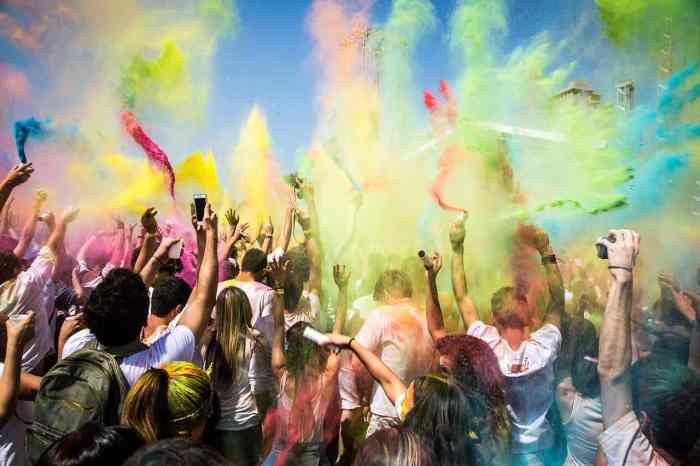
The visual impact of a festival is often its most immediate and striking feature. Costumes, decorations, and the overall atmosphere combine to create a memorable aesthetic. Let’s explore three examples:The vibrant colours of Holi, the Hindu festival of colours, immediately capture the eye. Participants, adorned in dazzling hues of vibrant pinks, oranges, yellows, and greens, playfully toss coloured powder into the air, creating a swirling kaleidoscope of colour that transforms the landscape into a living rainbow.
The streets, once plain, become canvases of bright, overlapping colours, a testament to the joyous spirit of the celebration. Flowers, often marigolds and fragrant jasmine, are woven into garlands and scattered across the ground, adding another layer of visual richness to the scene.In contrast, the Dia de los Muertos (Day of the Dead) in Mexico offers a more subdued, yet equally powerful, visual experience.
The vibrant colours are present, but they are tempered by the solemnity of the occasion. Sugar skulls, intricately decorated with vibrant icing and coloured sugars, are prominent, their playful appearance juxtaposed against the more somber imagery of skeletons and memento mori. Ofrendas, or altars, are constructed in homes and cemeteries, laden with offerings of food, flowers, candles, and photographs of deceased loved ones.
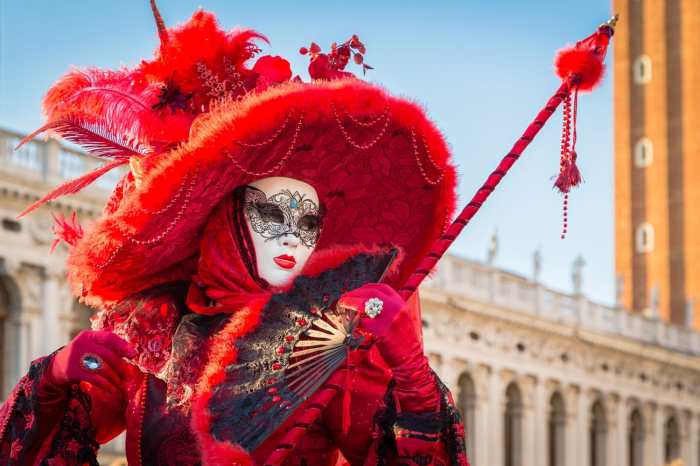
These altars are carefully arranged, often incorporating intricate paper cutouts and vibrant textiles, creating a poignant and beautiful tribute to those who have passed.Finally, the visual spectacle of the Notting Hill Carnival in London is a dynamic explosion of energy. Elaborate costumes, often reflecting Caribbean heritage, are dazzling in their intricacy and creativity. Feathers, sequins, and vibrant fabrics are combined to create stunning displays of artistry, with participants moving rhythmically through the streets, their costumes shimmering under the sun.
The floats are equally impressive, often depicting scenes from Caribbean culture or mythology, and are decorated with elaborate displays of lights, music, and vibrant colours. The overall atmosphere is one of pure energy and movement, a visual feast that captivates the senses.
Soundscape of the Notting Hill Carnival
The Notting Hill Carnival is a sonic explosion, a vibrant tapestry of sound that perfectly complements its visual spectacle. The dominant sound is undoubtedly the pulsating rhythm of steel drums, their resonant tones reverberating through the streets, creating a powerful and infectious energy. This is punctuated by the rhythmic beat of reggae and soca music, both genres integral to the Carnival’s Caribbean heritage.
The music spills from sound systems positioned along the parade route, creating a powerful wave of sound that washes over the crowds. Interspersed with the music are the shouts and cheers of the revelers, the rhythmic clapping of hands, and the constant chatter of the large crowds. The overall auditory experience is one of intense energy and excitement, a powerful and immersive sonic landscape that perfectly complements the vibrant visuals of the parade.
It’s a cacophony, but a joyous and exhilarating one.
Aromas and Tastes of Holi
The sensory experience of Holi is incomplete without considering its culinary aspects. The festival often involves sharing sweets and savories with family and friends, adding a layer of sweetness and flavour to the celebration. The air is often filled with the sweet aroma of gujiya, deep-fried dumplings filled with a sweet coconut and khoya (reduced milk) mixture. The rich, buttery aroma is almost intoxicating, blending seamlessly with the more subtle fragrance of the marigold flowers scattered on the ground.
Other traditional Holi treats include malpua, a type of pancake soaked in sugar syrup, and thandai, a refreshing cold drink made with milk, nuts, and spices. The sweet, creamy taste of these treats provides a delightful counterpoint to the more playful aspects of the festival, creating a complete and memorable sensory experience. The spice of the thandai provides a welcome contrast to the sweetness of other offerings, adding complexity and depth to the culinary palette of the day.
Exploring the Impact of Festival Trips
Festivals, beyond their immediate entertainment value, exert a profound influence on the communities that host them, impacting economies, fostering cultural understanding, and even driving social change. Their reach extends far beyond the immediate experience of attendees, leaving a lasting legacy on the local landscape and beyond.The economic benefits of major festivals are often substantial. These events generate revenue through ticket sales, merchandise, food and beverage purchases, and accommodation bookings, directly benefiting local businesses and creating employment opportunities.
Furthermore, the influx of tourists often stimulates investment in infrastructure and services, leading to long-term economic growth for the host community. For example, the Coachella Valley Music and Arts Festival in California generates hundreds of millions of dollars annually for the local economy, supporting a wide range of businesses, from hotels and restaurants to transportation services and local artisans.
Economic Impact of Major Festivals
Major festivals inject significant capital into local economies. This injection is not limited to direct spending by attendees; it also includes increased tax revenue for local governments and the creation of numerous temporary and sometimes permanent jobs. The ripple effect is considerable, with money circulating through various sectors of the local economy. For instance, the Notting Hill Carnival in London, one of the world’s largest street festivals, contributes significantly to the local economy through employment, business revenue, and tourism.
The economic impact extends beyond the festival’s immediate duration, often leading to infrastructural improvements and sustained economic activity.
Cultural Exchange and Understanding
International festivals serve as vital platforms for cultural exchange and understanding. Attendees from diverse backgrounds interact, share experiences, and learn from each other, fostering a sense of global community. The exposure to different musical styles, artistic expressions, culinary traditions, and social customs broadens perspectives and challenges preconceived notions. For example, the Glastonbury Festival in England, renowned for its eclectic mix of music and arts, attracts a global audience, creating a melting pot of cultures and fostering cross-cultural dialogue.
The festival’s diverse programming actively promotes understanding and appreciation for various cultural expressions.
Festivals Contributing to Social Causes and Sustainable Tourism
Many festivals actively integrate social causes and sustainable tourism practices into their operations. Some festivals donate a portion of their proceeds to charitable organizations, while others actively promote environmental sustainability through initiatives like waste reduction programs and the use of renewable energy. For instance, the Boom Festival in Portugal is a prime example of a festival committed to environmental sustainability, implementing comprehensive measures to minimize its ecological footprint.
Similarly, numerous festivals incorporate social justice themes into their programming, using their platform to raise awareness and promote positive social change. The inclusion of these initiatives not only enhances the festival experience but also reinforces a sense of social responsibility within the broader community.
Planning the perfect festival trip requires careful consideration, blending meticulous preparation with a spirit of adventure. From understanding the cultural nuances of each destination to budgeting effectively and prioritizing responsible tourism, this exploration has highlighted the essential elements for a truly enriching experience. More than just attending an event, a festival trip offers a chance for profound cultural exchange, personal growth, and the creation of lasting memories.
So, choose your adventure, pack your bags, and prepare to be captivated by the world’s most vibrant celebrations.
FAQ Overview
How far in advance should I book my festival trip?
Booking well in advance, especially for popular festivals, is highly recommended to secure flights, accommodation, and festival tickets at favorable prices.
What type of visa do I need for a festival trip?
Visa requirements vary greatly depending on your nationality and the destination country. Check the specific visa requirements well in advance of your travel dates.
What should I pack for a festival trip?
Packing depends on the festival’s location and climate. Essentials include comfortable shoes, appropriate clothing for the weather, sunscreen, insect repellent, and any necessary medications.
Are there safety concerns I should be aware of?
Safety precautions are essential. Research your destination’s safety guidelines, be aware of your surroundings, and take necessary precautions against theft and scams.
How can I support sustainable tourism during my festival trip?
Support local businesses, respect local customs, minimize your environmental impact, and consider choosing eco-friendly accommodations and transportation options.


